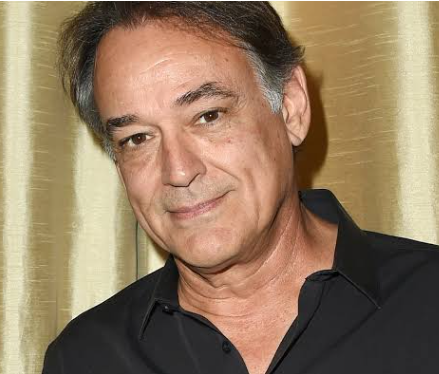
Beyond the Gates star Jon Lindstrom has spent decades portraying men who refuse to surrender to fear, but his most heartbreaking battle unfolded far away from the cameras. Behind Joey Armstrong’s intimidating presence and razor-sharp confidence lies the personal story of an actor who confronted depression, experienced devastating family loss, and eventually found the courage to speak publicly about his darkest struggles.
For viewers who have fallen in love with Joey’s commanding personality on CBS’s Beyond the Gates, Lindstrom’s real-life vulnerability offers a striking contrast. Joey rarely allows anyone to see weakness. He controls conversations, intimidates enemies, and keeps his emotions carefully guarded. Yet the actor bringing him to life has revealed that genuine strength sometimes means admitting when life becomes overwhelming.
The emotional revelation came during Lindstrom’s appearance on Maurice Benard’s State of Mind, a program known for conversations about mental health and personal struggles. Sitting opposite his longtime General Hospital colleague, Lindstrom discussed his experiences with depression and the painful realities that shaped his understanding of emotional survival.
One of the most difficult subjects involved his family history. Lindstrom acknowledged that suicide had affected his family, giving his own mental health struggles an especially serious dimension. Rather than ignoring the warning signs or pretending everything was fine, he recognized the importance of seeking help. His determination not to leave his loved ones facing another devastating loss became part of his motivation to confront depression.
The conversation grew even more emotional when Lindstrom spoke about his mother, who had died earlier that summer. Her loss remained painfully fresh. As he reflected on her passing, the actor became visibly overwhelmed and needed a moment to compose himself. For someone accustomed to delivering powerful performances under pressure, this was an unscripted moment of grief that no television drama could manufacture.
There was no fictional villain to defeat and no dramatic confrontation that could reverse what had happened. Lindstrom was simply a grieving son trying to put an enormous loss into words. His emotional response revealed something deeply human beneath the polished public image of a successful television star.
What made the interview particularly meaningful was Lindstrom’s willingness to discuss treatment and recovery. He explained how getting appropriate help had made a difference in his life. Instead of presenting depression as something that could be conquered through determination alone, his account emphasized the importance of acknowledging the problem and accepting support.
Benard, who has also spoken openly about mental health throughout his career, created an environment where that honesty could emerge naturally. Their conversation was more than two soap opera veterans exchanging memories. It became a reminder that performers admired by millions can experience the same grief, fear, and emotional exhaustion as the people watching them.
Lindstrom’s career makes that contrast even more remarkable. Long before becoming Joey Armstrong, he earned a devoted following through his work as Kevin Collins and Ryan Chamberlain on General Hospital. Those roles demanded extraordinary emotional range, particularly when portraying characters whose personalities and motivations could not have been more different.
Now, Beyond the Gates has introduced him to another generation of daytime viewers. Joey’s dangerous charm, unpredictable behavior, and complicated relationships have made him one of Fairmont Crest’s most compelling personalities. His confrontations with Heather and his protective instincts toward Vanessa have given audiences plenty to debate.
But knowing Lindstrom’s personal history adds another dimension to the man behind those performances. The actor who can make Joey appear untouchable understands that real people are not invincible. He has experienced profound grief, confronted mental health challenges, and chosen to discuss those experiences despite the vulnerability involved.
His story also challenges the assumption that professional success protects someone from emotional suffering. Decades of television appearances, loyal fans, and industry recognition cannot eliminate personal tragedy. The applause eventually fades, the cameras stop rolling, and actors return to lives filled with the same uncertainties everyone else faces.
Perhaps the most powerful aspect of Lindstrom’s confession is that he did not turn his pain into a glamorous Hollywood narrative. He spoke about difficult experiences because they mattered, and because honest conversations can help others feel less isolated. His willingness to acknowledge treatment also reinforces that seeking professional support is a meaningful step toward recovery.
For fans watching Joey Armstrong dominate the screen, that revelation makes Lindstrom’s journey especially moving. The fictional character survives through control and intimidation. The real man has demonstrated a different kind of courage: facing painful emotions, honoring the memory of his mother, and speaking openly about a struggle many people still find difficult to discuss.
Jon Lindstrom may portray one of Beyond the Gates’ most fearless men, but his most extraordinary act of bravery happened without a script. It was the moment he allowed the world to see the grief behind his smile—and reminded viewers that even the strongest people sometimes need someone to help them through the darkness.
