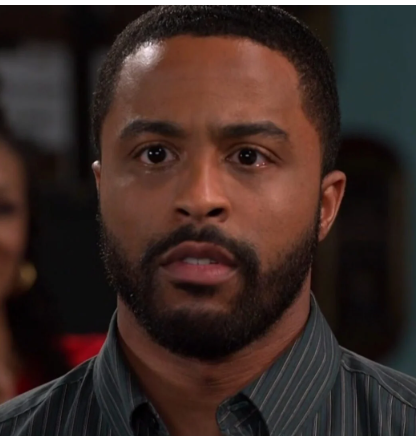
Everyone is talking about Jacob’s PTSD after the June 2 episode of Beyond the Gates. The phantom gunshots, the anxiety, and the visible emotional strain have become impossible to ignore.
But the most alarming part of the episode wasn’t the sounds echoing inside Jacob’s head.
It was everything he did afterward.
When all the recent clues are placed side by side, a disturbing pattern begins to emerge. The writers may not be telling a recovery story at all. Instead, they appear to be quietly building a self-destruction arc that could lead Jacob toward a devastating collapse.
The first warning sign is the phantom gunshots themselves.
These weren’t presented as a brief flashback or a single PTSD trigger. The sounds repeatedly interrupted Jacob throughout the episode, even when he was standing in a safe environment with no immediate danger around him. The fact that the writers chose to revisit the gunshots multiple times in a single episode feels intentional. In television storytelling, repetition is rarely accidental. When a symptom keeps returning, it usually signals that the problem is growing rather than healing.
That alone would be concerning.
However, the second clue may be even more revealing.
Jacob received a major honor during the police department ceremony. It should have been one of the proudest moments of his career. Instead of celebrating, he tossed the award into a locker and walked away.
That moment lasted only seconds, but it may have carried enormous significance.
Awards symbolize achievement, survival, and recognition. Jacob’s reaction suggested that none of those things mattered to him anymore. The writers could have shown him smiling, thanking colleagues, or sharing the moment with Naomi. They chose the exact opposite.
It’s difficult to ignore what that scene implies.
Jacob no longer sees himself as a hero.
In fact, he may not even believe he deserves to be celebrated.
The third clue arrives almost immediately afterward.
Instead of going home, Jacob goes drinking alone.
This is where the storyline becomes especially troubling.
He doesn’t seek comfort from Naomi. He doesn’t open up to friends. He doesn’t ask for help. He isolates himself and reaches for alcohol.
That choice feels significant because Beyond the Gates deliberately places the drinking scene directly after the phantom gunshot scenes. The connection is impossible to miss. PTSD and alcohol abuse have often been paired together in dramatic storytelling because they represent a dangerous cycle. Emotional pain leads to isolation. Isolation leads to unhealthy coping mechanisms. Those coping mechanisms then create even greater emotional damage.
Jacob appears to be entering that cycle right now.
The fourth hidden clue involves Naomi.
One of the most common warning signs before a major character breakdown is emotional withdrawal from loved ones. Jacob continues to keep much of his struggle hidden. He acts as though he can manage everything alone, even while his condition visibly worsens.
This pattern has appeared countless times in soap storytelling.
A character experiences trauma. They refuse help. They push people away. Then a crisis follows.
Jacob seems to be moving through those exact stages.
The more he hides, the more vulnerable he becomes.
Perhaps the most overlooked clue, however, stretches back much further than the June 2 episode.
Long before the phantom gunshots began, Jacob was already displaying reckless behavior during the Plasma Ring storyline. He repeatedly placed himself in dangerous situations, accepted extreme risks, and pushed deeper into undercover operations than necessary.
At first, those actions looked heroic.
Now they look different.
Looking back, it is possible that the writers were planting seeds long before the PTSD symptoms became obvious. There is a subtle but important difference between someone willing to die for a mission and someone who no longer cares enough to protect themselves.
Jacob may be drifting toward the second category.
And that possibility changes everything.
The biggest clue of all may be the direction of the storyline itself.
Recovery arcs usually contain signs of progress. Characters seek therapy. They lean on family. They slowly regain control of their lives.
Jacob’s story is moving in the opposite direction.
His symptoms are becoming more severe. His isolation is increasing. Alcohol has entered the picture. His emotional state appears less stable with each passing episode.
Nothing about this trajectory suggests healing.
Everything about it suggests escalation.
That is why the phantom gunshots may not be the true warning the writers are trying to send.
The real warning is hidden inside Jacob’s behavior.
The discarded award.
The solitary drinking.
The growing distance from Naomi.
The refusal to seek help.
The increasingly reckless choices.
Individually, each moment might seem insignificant. Together, they form a deeply unsettling picture of a man who is slowly losing control of his life.
If these clues are leading where they appear to be leading, Jacob’s greatest battle won’t be against criminals, conspiracies, or outside threats.
It will be against himself.
And the most frightening possibility is that his self-destruction may have already begun.
