The trial of Curtis Ashford took a dramatic turn on August 6 when Drew Quartermaine took the stand and committed an act that could destroy his own life: he lied under oath. But this wasn’t a casual falsehood or a minor inconsistency. This was a calculated, deliberate perjury designed to protect Willow Corinthos — and according to the evidence, it worked. The prosecution’s case suffered what can only be described as a “major hit” from Drew’s testimony.
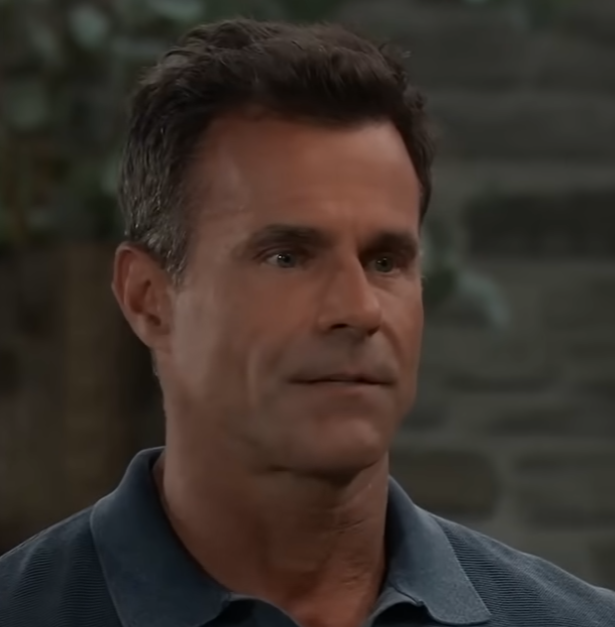
The evidence is clear: Drew promised Curtis that he would help him, and he kept that promise by doing the one thing that could actually make a difference. When asked about Willow’s whereabouts on the night of the accident, Drew didn’t hesitate. He didn’t equivocate. He simply lied. He told the court that Willow was somewhere she wasn’t, and in doing so, he provided Curtis with reasonable doubt about whether the prosecution could prove its case.
What makes this even more significant is that Drew knew exactly what he was doing. He wasn’t confused about the facts. He wasn’t mistaken about the timeline. He made a conscious decision to commit perjury because he believed that protecting Willow was more important than telling the truth. This is a man willing to face criminal charges himself in order to help his friend.
But here’s the question that nobody is asking: why? Why would Drew risk his own freedom for Willow? What does he know about that night that makes him so certain that Willow needs protection? The answer to that question is the key to understanding everything that’s about to happen in Port Charles.
If Willow was somewhere she shouldn’t have been on the night of the accident, then where was she? Was she involved in the accident? Was she a witness? Was she doing something that would compromise her custody of her children? The fact that Drew is willing to commit perjury suggests that whatever Willow was doing that night is significant enough to warrant federal crime.
The prosecution clearly didn’t anticipate Drew’s lie. They built their case on the assumption that the witnesses would tell the truth. They didn’t account for the possibility that someone would be willing to sacrifice their own legal standing to protect a friend. Now, with Drew’s testimony creating reasonable doubt, Curtis’s acquittal is a real possibility. The jury will have to decide whether they believe the prosecution’s timeline, and Drew has given them a legitimate reason to doubt it.
But here’s where it gets truly dangerous: Molly Lansing-Davis knows that Drew lied. She’s a prosecutor. She understands the implications of what just happened. She knows that Drew committed perjury, and she knows that this perjury has compromised her case. The question is whether she’ll pursue charges against Drew, or whether she’ll let this slide because she understands that there’s a larger truth at stake.
The real terror for everyone involved is that Drew’s lie has opened a door that can’t be closed. Once the jury hears that testimony, once they see the reasonable doubt that Drew has created, they can’t unhear it. They can’t go back to believing the prosecution’s version of events with the same certainty they had before. Drew has fundamentally altered the trajectory of this trial, and he’s done it by putting his own freedom on the line.
What happens next will depend on whether anyone else figures out that Drew lied, and whether they decide to do something about it. If Molly pursues perjury charges, Drew will face prison time. If she doesn’t, then Drew will have successfully protected Willow — but at what cost? And more importantly, what secret was he protecting? What was Willow doing on that night that made Drew willing to commit a federal crime?
