Willow thought she was walking into another confrontation with Michael at the gatehouse. What she may not have realized was that she was stepping into the moment that could completely change the battle over Wiley. Michael no longer appears willing to simply absorb Willow’s attacks, defend Jacinda, or allow emotions to dictate what happens next. By cornering Willow on familiar ground and forcing her to confront the reality of how much has changed, Michael may have triggered something far more dangerous than another family argument. If Willow reacts the way she has before, Wiley’s complicated past could suddenly become Michael’s most powerful weapon.
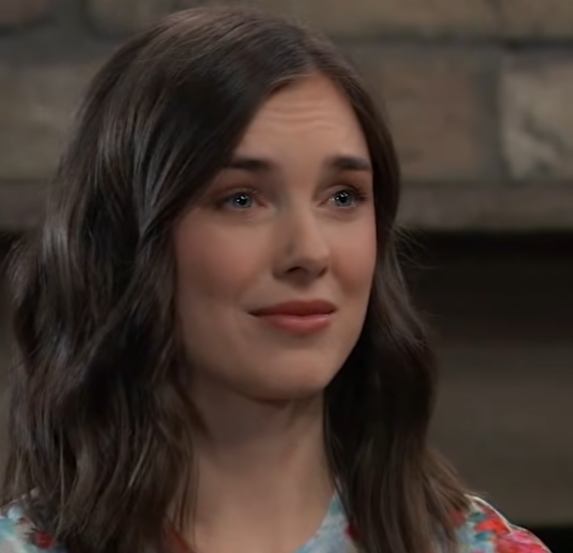
That is what makes the gatehouse confrontation so important. Michael does not need Willow to admit that she has made mistakes. He needs her to show exactly how far she is willing to go when she feels threatened. Willow has increasingly found herself fighting to maintain control over a life that continues slipping away from her, and Michael knows her better than almost anyone. If pressure causes Willow to make one reckless move involving Wiley, Jacinda, or Michael himself, that moment could become far more damaging than anything she says during an argument.
The real danger for Willow is that her recent behavior does not exist in isolation. Her history with Drew, the shooting, the poisoning accusations, and her increasingly volatile confrontations can all create the appearance of a troubling pattern. A custody fight would not simply be about whether Willow loves Wiley. Nobody seriously needs to question that love. The issue would be whether the decisions she is making create the kind of stability Michael believes Wiley needs. One more desperate mistake could give Michael exactly the argument he has been waiting for.
And Michael possesses an advantage that Willow can never erase: he is Wiley’s biological father. Wiley’s road to becoming Willow’s son was anything but ordinary. His early life was shaped by one of the most infamous baby swaps in Port Charles history, when Brad Cooper allowed Michael to believe his son Jonah had died while Wiley’s true identity remained hidden. The eventual revelation shattered multiple families and completely rewrote Wiley’s future. Willow later became his mother through adoption, creating a genuine family bond—but also one built on an extraordinarily complicated legal and biological history.
That history could suddenly matter again if Michael decides he is finished playing defense. He does not need some brand-new DNA revelation proving something viewers never knew. The explosive truth is already there. Michael is Wiley’s biological father, while Willow’s parental relationship was established through adoption after a chain of events involving switched babies, false identities, devastating lies, and legal upheaval. If the custody conflict becomes vicious enough, Michael’s side could begin examining every part of that history while focusing on the one question that matters now: what arrangement best protects Wiley?
This is also where Jacinda becomes far more dangerous to Willow than she realizes. Jacinda does not need to uncover a secret DNA report or suddenly become an investigator. Her value could be much simpler—she has seen Willow’s behavior firsthand. Willow already views Jacinda as someone intruding on territory she considers hers, particularly when Wiley is involved. Every confrontation gives Jacinda another look at how Willow responds when she feels challenged. If Michael eventually needs someone outside the immediate family to describe those encounters, Jacinda could become an unexpectedly damaging witness.
That possibility creates an ugly trap for Willow. The harder she pushes Jacinda away, the more ammunition she risks creating. If Willow confronts her again, attempts to control her access to Wiley, or lashes out because she believes Jacinda is replacing her, Michael could use that behavior to reinforce his argument that the situation has become unhealthy. Willow would believe she is protecting her place in Wiley’s life, while Michael could argue that those very actions prove why stronger boundaries are necessary.
And Michael may not even need to attack Willow’s adoption directly. Reopening Wiley’s history could simply remind everyone how much instability that child has already survived. Wiley began his life trapped inside secrets created by adults. Michael could argue that he refuses to allow another cycle of deception, manipulation, and chaos to define his son’s childhood. Suddenly, Willow’s current choices would be judged against the darkest chapter of Wiley’s past—and that comparison could be devastating.
The biggest question now is what Willow does after being cornered at the gatehouse. If she recognizes the danger and backs away, she could still prevent the conflict from exploding. But Willow has repeatedly shown that pressure can make her fight harder, not surrender. If fear of losing Wiley pushes her into one desperate decision, Michael may finally stop treating this like a personal feud and start treating it like a custody war.
That would completely change the battlefield. Jacinda would no longer be Willow’s biggest problem. Drew would no longer be the only scandal hanging over her. The real threat would be Michael opening the door to Wiley’s complicated history and asking whether Willow’s current behavior proves that another intervention is necessary.
Willow walked into the gatehouse believing she still had something to fight for. She may walk out having given Michael the reason to fight back. And if Wiley’s adoption history is dragged into the conflict, the darkest secrets surrounding his childhood will not stay buried quietly. This time, they could become the weapon that costs Willow everything she is desperately trying to keep.
