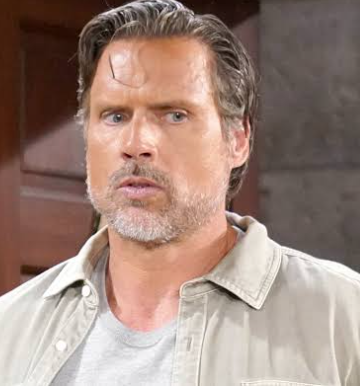
Nick Newman’s growing bond with Marie Kirkland appears to be pushing The Young and the Restless toward a new love triangle. However, Nick has already made one deeply revealing confession that points in a completely different direction. When his life collapsed and he could no longer save himself, Nick did not call Marie, Phyllis, Nikki, Victor, or Adam. He called Sharon and admitted that he needed her to come get him.
That moment exposed more than Nick probably intended. Marie may understand his addiction, but Sharon remains the person he trusts when every defense disappears. Nick’s plea was not romantic in the traditional sense, yet it revealed an emotional connection that no flirtation at the rehabilitation center can easily replace. When Nick reached rock bottom, Sharon was still the person he believed could bring him home.
Marie entered Nick’s life during its darkest chapter. They used drugs together, slept together, and nearly lost everything when Marie overdosed. Nick performed CPR, called for help, and later broke down as he confronted what his addiction had turned him into. Marie therefore represents more than a possible romantic partner. She represents the dangerous life Nick is desperately trying to leave behind.
Sharon represents something entirely different. She was the person Nick called after the motel nightmare because he trusted her with the version of himself he was most ashamed to reveal. She arrived without judgment, took him away from the scene, and helped him begin the difficult path toward treatment. Nick did not have to pretend to be strong around her. He simply confessed that he needed help.
That difference could explain why Marie is not Nick’s final destination. She may be the emotional detour that forces him to understand what Sharon still means to him. Marie shares Nick’s cravings, guilt, and fear of failure. Sharon, however, represents the life he wants to recover—the family, stability, and unconditional connection waiting beyond the walls of rehab.
Nick’s own words have quietly reinforced that contrast. While discussing the future, he imagined being surrounded by his children, but Sharon was also part of that picture. He did not describe her as merely an ex-wife or concerned friend. He instinctively included her in his vision of a healthy life. That was another unguarded confession revealing where Nick’s heart feels safest.
The meeting between Sharon and Marie made that truth harder to ignore. Sharon found Nick and Marie playing cards, joking, and appearing comfortable together. Marie openly credited Nick with helping her remain in treatment. The chemistry was obvious, but so was Sharon’s concern. She immediately recognized that Nick’s need to rescue Marie could become another way for him to avoid confronting his own recovery.
Later, Sharon admitted that Nick seemed to like Marie, but she quickly questioned Marie’s commitment to sobriety. Mariah challenged her mother, asking whether Nick’s interest in another woman bothered her and reminding Sharon that she could not protect him forever. Sharon never confessed to jealousy, but her guarded response suggested that Marie had touched a nerve Sharon was not ready to examine.
Marie also noticed Sharon’s importance. After Sharon left, Marie questioned Nick about his former marriages and seemed surprised that he was single. Nick responded with his familiar confidence, insisting that he normally was not alone and still “had game.” The conversation carried unmistakable flirtation, but it also showed Marie testing the emotional territory surrounding Nick—and Sharon occupies most of it.
The real danger is that Nick may confuse being needed with being loved. Marie is vulnerable, unpredictable, and still struggling with the desire to use again. Those qualities activate Nick’s lifelong savior complex. He can focus on keeping Marie sober instead of examining the pain driving his own addiction. What feels like romance could actually be another unhealthy dependency.
Sharon understands this pattern better than anyone. She knows Nick often tries to fix other people when he cannot face his own wounds. That is why her concern cannot be dismissed as simple jealousy. She may recognize that Marie is not intentionally trying to destroy Nick, yet their connection could still become dangerous if each starts relying on the other instead of completing treatment.
Marie does not need to become a villain for Sharon and Nick’s bond to resurface. She may genuinely care about Nick and still realize that his heart already has a home. If Marie relapses—or if Nick risks his sobriety trying to rescue her—the crisis could force him to remember the difference between someone who shares his darkness and someone who guides him out of it.
Nick’s most honest choice has already been made. At the worst moment of his life, he called Sharon. His desperate admission that he needed her may ultimately matter more than every joke, card game, or flirtatious exchange with Marie. The apparent triangle could be less about which woman Nick chooses and more about whether he finally recognizes the woman he has never truly left behind.
Marie may help Nick understand his addiction, but Sharon remains connected to the man he wants to become again. If Nick completes his recovery and looks back at the person who answered when he finally admitted he could not save himself, the truth could become impossible to deny: Marie was the detour, but Sharon was always the way home.
