What played out as a dramatic, last-second save wasn’t simply about pulling someone from danger—it was about shifting power. Valentin dragging Jordan out of that wreck looked heroic in the moment, but the scene carries a much darker intention underneath. This wasn’t written as a spontaneous act of courage. It was carefully engineered to change the balance between characters. And the real target of that shift wasn’t Jordan—it was Curtis. In one move, the story didn’t just preserve a life. It created a binding obligation.
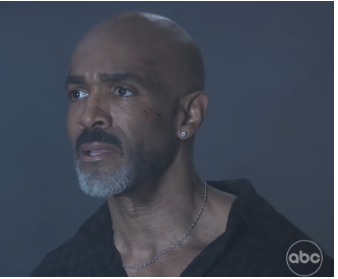
The mechanics of the scene are far too deliberate to be accidental. Curtis is boxed into a situation where escape is impossible without outside help. The car won’t open. Communication is cut off. The threat escalates with every second as fuel leaks and danger builds. One by one, every option is stripped away. This isn’t chaos—it’s controlled storytelling. By removing Curtis’s ability to act, the writers ensure that when help arrives, it feels like the only possible outcome.
And that help comes from the worst possible person—Valentin. Not a stranger, not coincidence, but someone strategically placed at the exact moment Curtis has no alternatives left. That timing is everything. If Curtis had managed to save Jordan himself, there would be no emotional weight attached. No obligation. No consequence. But by forcing him into dependence, the story locks him into something far more dangerous than simple gratitude.
That’s where the moment shifts from rescue to manipulation. Curtis isn’t just thankful—he’s indebted. And not in a casual sense. This is a life debt, the kind that carries emotional and moral weight in every future decision. In soap storytelling, that kind of obligation is never passive. It lingers. It builds pressure. It forces hesitation. Curtis is no longer acting freely—he’s now tied to the man he should be fighting against.
From here, the trap becomes clear. Curtis is placed in an impossible moral position. If he exposes Valentin, he risks turning against the man who saved Jordan’s life. But if he stays quiet, he compromises everything he stands for. There is no clean way forward. Every choice carries damage. And that’s exactly how the story is designed—not to give Curtis a solution, but to make every path cost him something.
This is where silence enters the equation—not as a tactic, but as a burden. Curtis may hold critical information, but now he has a reason to suppress it. Not out of fear or guilt, but out of obligation. That distinction matters. It changes his mindset. His silence is no longer strategic—it’s emotional. And that shift will influence every move he makes going forward, whether he realizes it or not.
But the implications don’t stop at silence. This setup quietly opens the door to something even more dangerous: cooperation. When someone owes a debt this significant, resistance becomes harder. Lines blur. Opposition weakens. Curtis and Valentin don’t need trust to align—they just need a shared moment that binds them. And that rescue has created exactly that. Whether intentional or not, it lays the groundwork for an uneasy alliance.
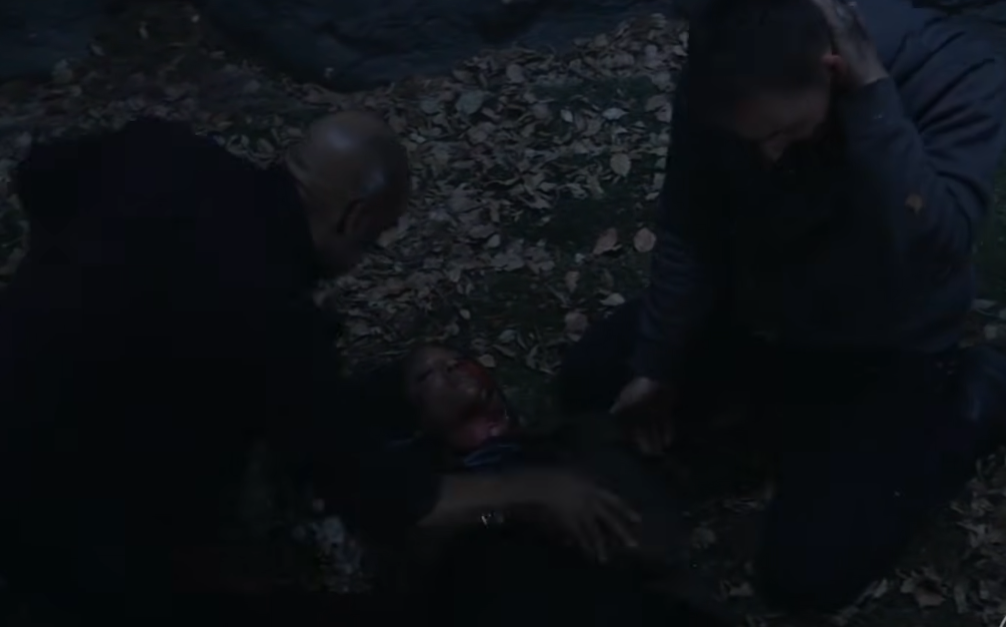
The real threat, however, lies in what hasn’t happened yet. In this kind of narrative, debts are never forgotten—they’re collected. Valentin doesn’t need to ask for anything right now. In fact, waiting gives him more power. The longer Curtis carries that obligation, the deeper it takes hold. And when the time comes to call it in, it won’t be optional. Curtis may find himself unable to say no.
There’s also a subtle but telling detail that amplifies everything—Valentin leaves. He doesn’t stay to be thanked. He doesn’t claim credit. He disappears. That choice is intentional. It transforms the act from a visible rescue into something unresolved. And characters who don’t seek recognition are often playing a much longer game. By stepping away, Valentin ensures the moment lingers in Curtis’s mind, unanswered and unsettled.
Then there’s Carly, who complicates the situation even further. She knows Valentin was involved. That means this isn’t just a private debt—it’s part of a larger web of secrets. If Curtis begins to understand how much Carly is withholding, the tension escalates instantly. What started as a single act becomes a shared secret. And shared secrets are far more volatile, because they connect multiple players to the same hidden truth.
By the end of it all, Curtis isn’t standing in control—he’s standing inside a carefully constructed cage. Every direction leads to conflict. Speak, and he betrays a man who saved a life. Stay silent, and he betrays himself. Push back, and he risks being pulled even deeper into Valentin’s influence. This isn’t a short-term dilemma—it’s a long game.
Because in the end, that crash wasn’t about destruction. It was about positioning. The explosion, the danger, the rescue—all of it served a larger purpose. Valentin didn’t just save Jordan. He secured leverage. And now, whether Curtis realizes it or not, he may never truly be free of it.