Dante doesn’t need proof—he needs a crack. The moment he steps into Lulu’s house and senses tension between Rocco Falconeri and Lulu Spencer, the situation shifts from concern to suspicion. Dante is trained to detect when something is off, and the way they hesitate, exchange glances, and over-explain Rocco’s injury is exactly the kind of behavior that triggers him. This isn’t just a father checking on his son anymore—this is an investigator sensing a lie.
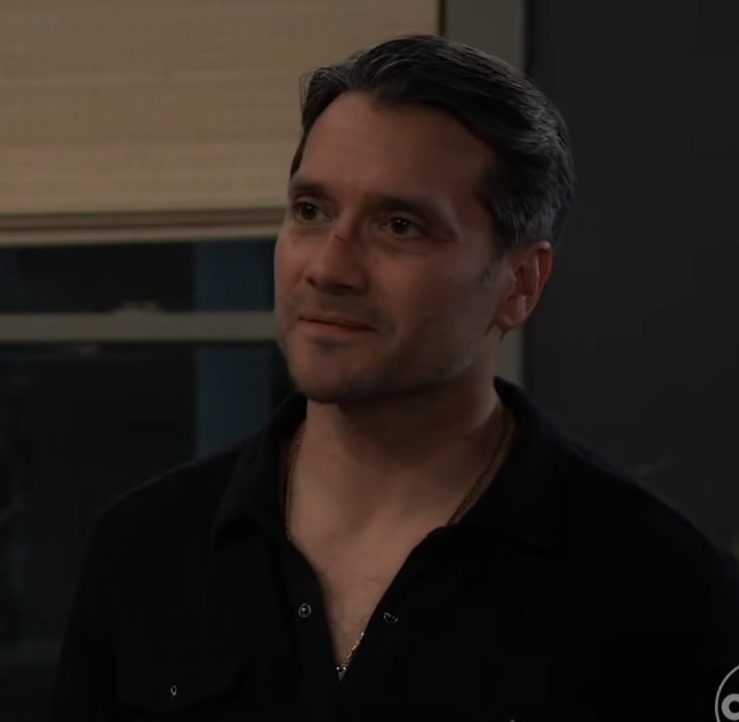
The biggest weakness in their cover story is simplicity. Saying Rocco “cut his hand” only works if Dante doesn’t look deeper. But Dante always looks deeper. He already learned about the injury from someone else, not from his own family. That alone creates doubt. If the story were true, why wasn’t he told immediately? That gap becomes the first thread Dante pulls—and once he starts pulling, everything unravels.
The second pressure point is timing. Dante knows the timeline of the shooting involving Cullum. If Rocco’s injury lines up too perfectly with that moment, it won’t feel like coincidence—it will feel like connection. Dante doesn’t need forensic proof at first. He just needs to realize that the injury and the shooting happened at the same time. That realization alone shifts his suspicion away from Jason Morgan.
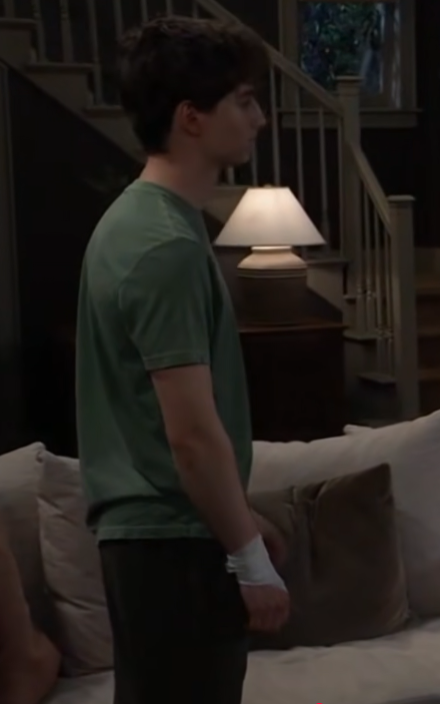
What makes this even more dangerous is Dante’s ability to read emotional responses. Rocco is not a hardened criminal—he’s a kid under pressure. If Dante starts asking direct questions, Rocco’s reactions will likely give him away before any physical evidence does. Hesitation, inconsistent details, or even silence can be enough. Dante has interrogated countless suspects; he knows exactly how guilt looks, especially when it’s trying to hide behind fear.
The real turning point will likely come when Dante stops asking “what happened” and starts asking “why wasn’t I told.” That question shifts the focus from the injury to the secrecy. And once secrecy becomes the issue, Lulu is pulled into the spotlight. If Dante realizes that Lulu Spencer knowingly kept this from him, the situation escalates instantly. Now it’s not just about Rocco—it’s about a coordinated lie.
If Dante connects all of this, the truth becomes unavoidable: Rocco was at the scene, Rocco was injured, and Jason’s story doesn’t fully hold. At that point, Dante doesn’t need a confession. He already knows.
The real question then becomes how Dante reacts—and this is where the story gets explosive.
Option one is duty. Dante the cop follows the law, no matter the cost. If that side of him takes control, he could push for the truth to come out officially. That would mean exposing Rocco, dismantling Jason’s cover, and triggering legal consequences. This path is brutal but consistent with Dante’s moral code. It would also destroy trust within his family almost instantly.

Option two is protection. Dante the father overrides Dante the cop. He recognizes that Rocco didn’t act out of malice, but in a moment of fear and instinct. In this version, Dante keeps the secret—but not blindly. He takes control of the situation, adjusts the investigation quietly, and ensures that no evidence leads back to his son. This doesn’t erase the truth—it buries it under his supervision.
The most likely outcome is a middle ground. Dante confronts Lulu and Rocco privately after figuring it out. He doesn’t expose them immediately, but he demands complete honesty going forward. He may even test them—pushing Rocco to admit the truth without directly accusing him. Once he gets that confirmation, Dante becomes the only person holding the full picture.
That puts him in a dangerous position. He now controls whether the truth destroys his family or stays hidden. And that kind of power comes with pressure. Every new development in the Cullum case, every inconsistency, every outside suspicion will force Dante to make a choice again and again.
The cover story is already failing. The tension is visible, the details don’t align, and Dante is too sharp to ignore it. It’s not a question of if he finds out—it’s how fast.
And when he does, the real story begins.