What if everything we’ve been told about Nathan’s identity is a carefully constructed illusion? What if the man everyone fears as Cassius is actually Nathan West, alive, aware, and playing the most dangerous long game of his life? Across recent episodes and fan discussions, one theory has risen above all others—not because it’s safe, but because it explains what nothing else can. Nathan isn’t lost. He’s undercover.
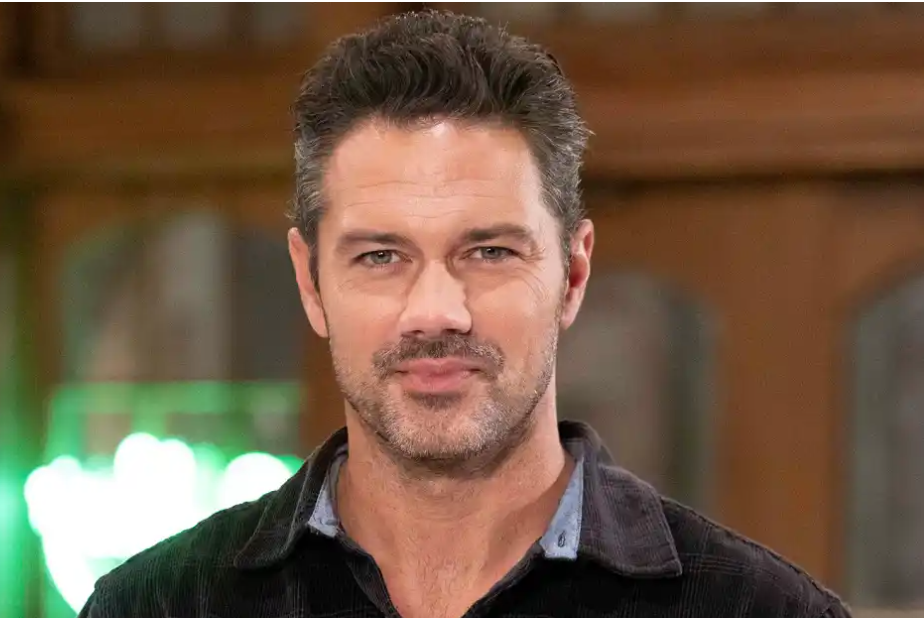
The biggest clue lies not in what Nathan says, but in what he refuses to do. Despite being positioned as Cassius, his actions repeatedly contradict the behavior of a true villain. He hesitates at key moments. He withholds critical information from Sidwell. And most importantly, he protects Rocco. In a world where loyalty defines identity, this is not the behavior of a man fully aligned with darkness. It’s the behavior of someone maintaining a cover while quietly choosing who to save.
Fans have picked up on this contradiction instantly. Across forums and discussions, one consistent observation keeps surfacing: “He’s not acting like Cassius.” And they’re right. There are subtle emotional beats—flickers of hesitation, moments of empathy—that feel unmistakably like Nathan. These are not writing inconsistencies. They are signals. The kind planted intentionally to reward viewers who are paying attention.
Even more compelling is the idea that Nathan may be working as a deep undercover operative, possibly tied to larger forces like the WSB. This wouldn’t be the first time General Hospital has explored identity manipulation, memory rewriting, or double-agent narratives. But this time feels different. This time, the emotional stakes are higher. If Nathan is undercover, then every cold decision, every betrayal, and every lie becomes part of a sacrifice. Not just for a mission—but for the people he loves.
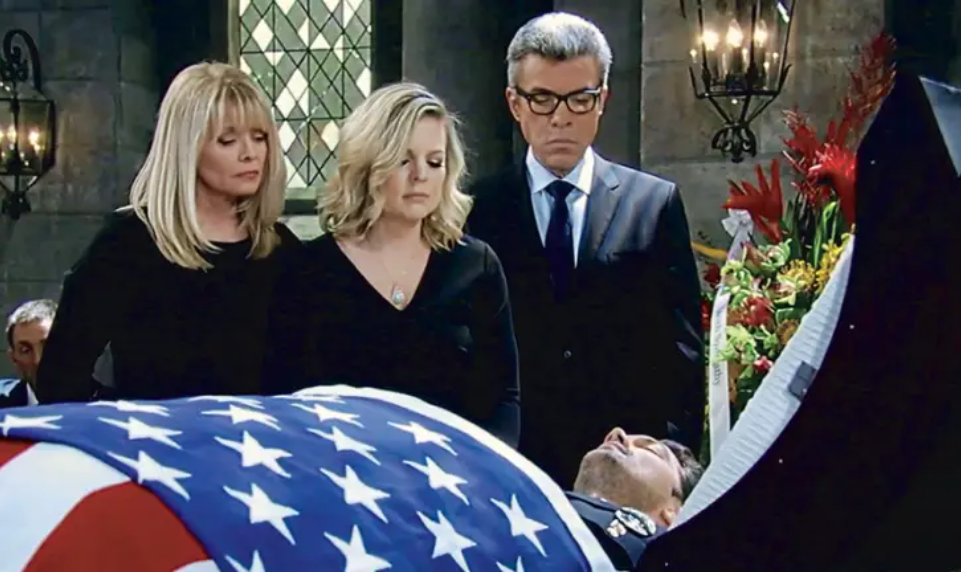
And that’s where the emotional core of this theory truly hits. Nathan’s connection to Rocco is not incidental. It’s deliberate. Protecting Rocco, keeping him out of Sidwell’s reach, and shielding him from the truth all point to a man who still carries his moral compass. If this were truly Cassius, there would be no reason for restraint. No reason for secrecy that benefits anyone but himself. But Nathan’s secrecy feels different. It feels protective, not manipulative.
There are also narrative inconsistencies that support this interpretation. The fingerprint verification, once considered definitive proof, has become increasingly questionable. In a world where records can be altered and identities rewritten, can any data truly be trusted? The empty grave only deepens the mystery. If Nathan was truly gone, why is there no body? And if there’s no body, then what exactly did they bury? These are not plot holes. They are deliberate gaps—spaces where the truth has yet to surface.
Another key detail lies in Nathan’s emotional dissonance. His apparent detachment from Maxie, his altered behavior, and his unfamiliarity in certain situations have been used as evidence against him. But what if these are not signs that he isn’t Nathan—but signs that he is forcing himself not to be? Undercover work requires distance. It requires sacrifice. And sometimes, it requires becoming someone so convincingly different that even the people closest to you no longer recognize you.
What makes this theory so powerful is not just its logic, but its emotional payoff. Fans don’t just want Nathan to be alive. They want him to still be good. They want his story to mean something. And turning him into a villain would erase years of character development. But revealing that he has been fighting from the inside all along? That transforms the entire storyline. It turns confusion into intention. It turns contradiction into strategy.
There is also a growing sense that Nathan is not simply surviving this situation—he is actively shaping it. His silence, his positioning, and his selective involvement all suggest control beneath the surface. He may appear to be following Sidwell, but what if he’s actually guiding him? Feeding him just enough to maintain trust while steering events toward a larger outcome. If that’s true, then Sidwell isn’t in control. He’s being played.
In the end, this theory reframes everything. Nathan is not a victim of identity manipulation. He is the architect of it. Cassius is not who he became. It’s who he chose to be—for a reason we haven’t fully seen yet. And when that reason is finally revealed, it won’t just change how we see Nathan. It will change how we understand everything that’s happened so far.
Because if Nathan has been undercover this whole time, then the real twist isn’t that he came back wrong. It’s that he came back prepared.