The moment Josslyn Jacks suggested that Britt Westbourne should eliminate Cullum, it didn’t play like fear or desperation. It played like strategy. And that distinction is exactly why this storyline has become one of the most explosive developments on General Hospital. Because beneath the surface of “self-defense,” there’s a far more unsettling possibility: Joss wasn’t trying to save Britt at all—she was trying to control what happens next.

On paper, Joss’s logic is airtight. Cullum is a walking threat. He’s tied to Marco’s death, he targeted Britt, and his actions dragged Jason into a catastrophic chain of events. If he wakes up, everything could unravel. In that sense, removing him while he’s vulnerable seems like the cleanest solution. It’s the kind of cold calculation that can be justified as necessary. But what makes this moment disturbing is not the logic itself—it’s how calmly and deliberately Joss presents it.
Instead of panic, Joss delivers a controlled argument. She doesn’t plead. She doesn’t break. She lays out a path and lets Britt walk toward it. That subtle shift transforms the scene. This isn’t someone reacting to danger in real time. This is someone shaping another person’s decision. By framing the act as the only logical choice, Joss effectively plants the idea without taking ownership of it. And once that idea takes root, Britt becomes the one who has to act.
That’s where the power dynamic flips.
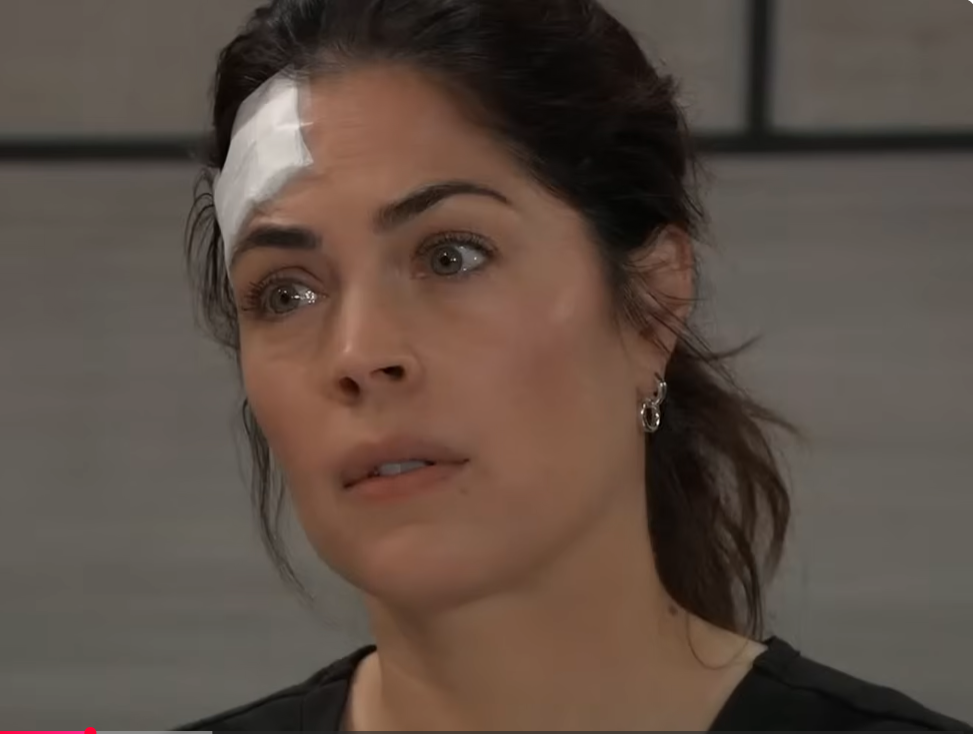
If Britt makes the move, Joss stays untouched. No direct involvement, no immediate consequence, no blood on her hands. Yet the outcome serves Joss perfectly. Cullum is gone. The threat disappears. And more importantly, whatever he knows disappears with him. That’s the detail that changes everything. Because Cullum isn’t just a villain in this story—he’s a living piece of evidence. He connects the shooting, the pier, the hidden alliances, and the truth behind Jason’s sacrifice.
If Cullum wakes up and talks, the entire narrative could collapse.
Jason’s decision to take the fall could be exposed. Rocco’s role could come to light. The carefully constructed version of events holding everything together could shatter in an instant. From that perspective, Cullum isn’t just dangerous—he’s inconvenient. And eliminating him isn’t just about safety. It’s about control over what version of the truth survives.
That’s where Joss crosses into morally dangerous territory.

For someone who has spent so much time condemning Sonny’s world, Joss is now echoing its core philosophy. Remove the problem before it can hurt you. Use whatever means necessary. Let someone else carry the weight if needed. It’s a shift that feels less like growth and more like transformation. The line she once refused to cross is now something she’s quietly stepping over, one calculated decision at a time.
What makes this even more compelling is the possibility that Joss knows more than she’s letting on.
The speed at which she connects Cullum to everything feels too precise to be coincidence. It doesn’t read like discovery—it reads like confirmation. As if she’s been piecing this together long before that conversation with Britt ever happened. If that’s true, then her suggestion isn’t impulsive. It’s intentional. A move designed to push events in a specific direction before anyone else can intervene.
And that raises the most dangerous question of all.
What exactly is Joss trying to protect?
Because if her goal was purely to save Britt, there were other options. Security. Exposure. Letting the system handle Cullum. Instead, she jumps straight to elimination. That leap suggests urgency—but also secrecy. It suggests there’s something about Cullum waking up that Joss cannot allow to happen under any circumstances.
In that light, the hospital scene becomes something much bigger than a moral dilemma.
It becomes a turning point.
Joss is no longer just reacting to chaos. She’s beginning to shape it. And once a character starts deciding outcomes instead of responding to them, they step into a completely different role within the story. They stop being a victim of the narrative and start becoming an architect of it.
That’s why this moment matters so much.
Because it signals the emergence of a darker, more strategic version of Josslyn Jacks. One who understands how power works. One who is willing to bend morality to achieve a desired outcome. And one who may already be operating several steps ahead of everyone else.
Cullum’s fate is no longer just about life or death.
It’s about who controls the truth.