The world of daytime television has always thrived on passionate audiences, but the current situation surrounding Nancy Lee Grahn has escalated into something far more unsettling. Best known for her long-running role as Alexis Davis on General Hospital, Grahn now finds herself at the center of a growing storm of hostility that has shaken the soap community and exposed deep divisions among fans.
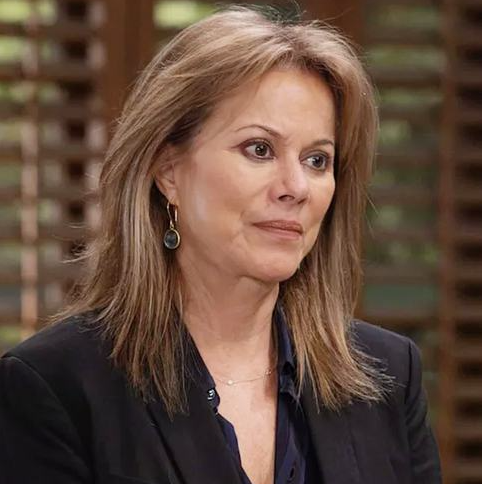
Throughout her career, Grahn has earned admiration not only for her powerful performances but also for her unapologetic voice. She has never hesitated to speak out on social issues, women’s rights, and industry matters, building a reputation as both fearless and authentic. That same candor, however, has also made her a polarizing figure, drawing both loyalty and criticism in equal measure.
Recently, that criticism appears to have spiraled into something much darker. Conversations across fan spaces suggest that the backlash has intensified beyond disagreement, turning into personal attacks aimed at her character, her appearance, and even her sense of safety. What once resembled debate has, for many observers, crossed into outright harassment, raising serious concerns about the emotional impact on the actress.
Supporters have been quick to push back, reminding others that behind the iconic role is a real person. Many fans have voiced concern that the relentless negativity is taking a toll, emphasizing that strength does not make someone immune to harm. Their message is simple but urgent: admiration for a character should never justify cruelty toward the actor portraying them.
At the heart of the controversy are Grahn’s recent public statements on political and social topics. While some applaud her willingness to speak openly, others argue that her views have overshadowed her work on the show. Yet what troubles many is not the disagreement itself, but how quickly discussions have devolved into hostility, revealing how fragile the line between critique and cruelty can be.
The situation has grown even more troubling as online behavior appears to escalate in coordination. Reports from fan communities تشير to waves of negative posts, misinformation, and collective targeting that amplify the backlash. What began as individual opinions now feels, to some, like a sustained campaign, highlighting the darker mechanics of modern social media culture.
Within the soap opera fanbase, reactions remain sharply divided. Some viewers have launched efforts calling for empathy and accountability, urging others to separate personal opinions from personal attacks. They point to Grahn’s decades of contribution to the genre as a reason to show basic respect, regardless of differing viewpoints.
Others, however, continue to argue that the actress invited criticism through her outspoken nature. This perspective has only deepened the divide, leaving the fan community fractured and prompting broader reflection on how easily admiration can transform into aggression when expectations are challenged.
The controversy has reignited a larger conversation within the entertainment industry itself. It raises difficult questions about where criticism should end and harassment begins, and what responsibility platforms, networks, and audiences share in preventing abuse. As public figures become increasingly accessible online, the boundaries between engagement and intrusion grow more blurred.
Although Grahn has not issued an extensive public statement, those familiar with the situation suggest she is fully aware of the hostility and affected by its intensity. Known for her resilience, she has faced criticism before, but the deeply personal nature of the current attacks has sparked concern about her emotional well-being and sense of security.
Colleagues within the industry have quietly expressed their support, emphasizing the importance of remembering the human being behind the role. For them, this moment is a stark reminder that actors are not extensions of their characters, but individuals navigating the pressures of public life just like anyone else.
For decades, Grahn’s portrayal of Alexis Davis has been a defining element of General Hospital, earning her accolades and a devoted following. Her ability to bring intelligence, complexity, and vulnerability to the screen has made the character unforgettable. Ironically, those same qualities now seem to fuel the intensity of the reactions directed at her.
What is happening in this moment reflects a broader issue that extends far beyond one actress. It speaks to the way digital platforms can magnify negativity, allowing it to spread rapidly and take on a life of its own. The situation forces audiences to confront an uncomfortable reality about how quickly empathy can erode in the face of disagreement.
As the debate continues, many fans are left grappling with a fundamental question: when did expressing an opinion become a license to tear someone down? The answer may not be simple, but the consequences are becoming increasingly clear.
For now, Nancy Lee Grahn stands as both a symbol of resilience and a reminder of the darker side of fame. Whether this moment leads to meaningful change or fades into another example of unchecked online toxicity will depend on how audiences choose to respond moving forward.
What remains undeniable is that her voice—both as an actress and as an individual—deserves to be met with respect rather than hostility. And perhaps that is the lesson the entire soap community needs to take to heart right now.