What if the real turning point in this storyline wasn’t the violent crash itself, but a quiet, almost forgettable moment that came just before it? Instead of focusing purely on speed, danger, or chaos, the camera chose to linger on something small—a glass of wine. In a show like General Hospital, that kind of visual emphasis is never accidental. It signals intention. By highlighting Brook Lynn’s drink, the scene subtly plants the idea that what followed may not have been random at all, but carefully constructed from the very beginning.
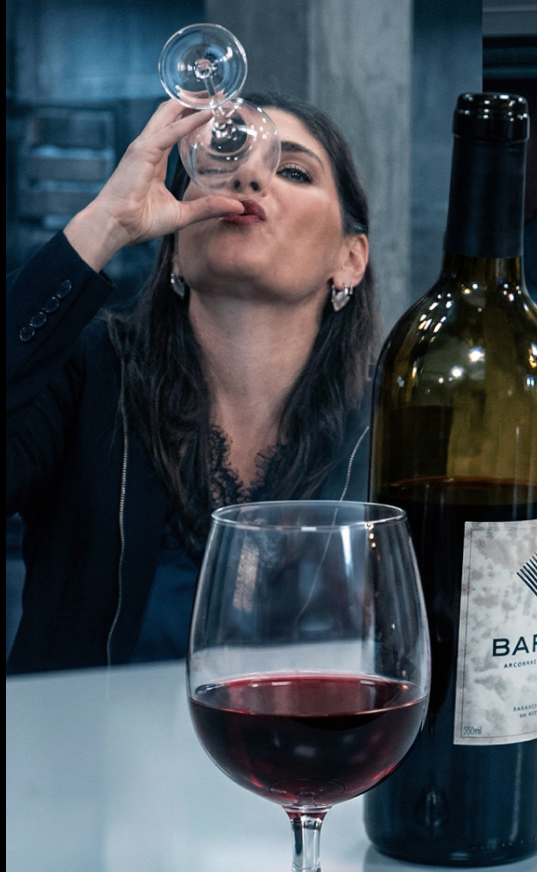
Brook Lynn’s departure didn’t feel stable or controlled—it felt rushed, emotional, and slightly unbalanced. She had been drinking, even if only lightly, and then chose to get behind the wheel almost immediately. That detail alone introduces a layer of vulnerability. It doesn’t require full intoxication to create danger. A moment of distraction, a delayed reaction, or even a minor lapse in focus can shift everything. This is where the theory becomes compelling: she may not have directly caused the crash, but she could have created the conditions that made it inevitable.
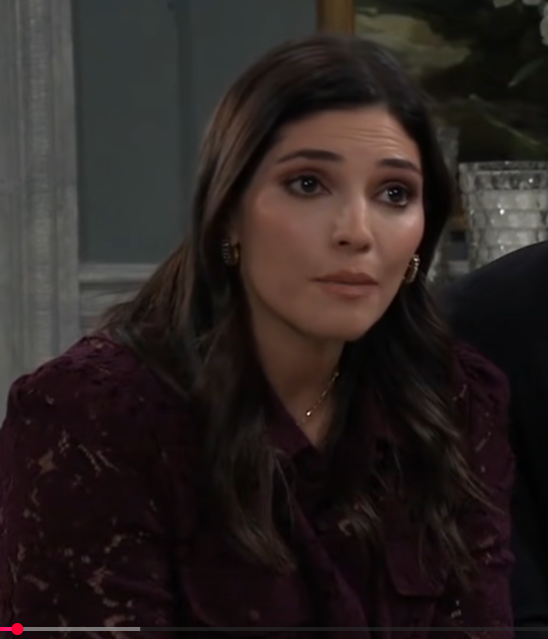
The strongest version of this idea isn’t about direct impact—it’s about indirect consequence. Imagine her car drifting slightly, just enough to force another driver to react. Jordan, already not fully focused, might have instinctively swerved to avoid contact. That single split-second decision, combined with poor timing, could easily spiral into loss of control. In that version of events, Brook Lynn isn’t the visible cause of the crash—but she is the invisible trigger that set the entire chain reaction in motion.
But there’s an even darker possibility that pushes this theory further. What if she realized something had happened? What if she noticed headlights shifting, heard the sound of tires screeching, or sensed that something went wrong behind her—and chose to keep driving? Not because she intended harm, but because panic took over. That possibility changes everything. It shifts the narrative from an unfortunate accident to a moral crisis. Even indirect involvement followed by silence could carry the weight of a hit-and-run, introducing guilt, secrecy, and consequences that stretch far beyond the crash itself.
The real stakes may not even lie in the accident—but in what comes after. Brook Lynn and Chase’s future, especially their hopes of building a stable life for the baby, is already fragile. It depends on trust, responsibility, and the perception that they are capable of providing a safe environment. If any investigation reveals that she had been drinking before driving, even minimally, that alone could be enough to damage everything. In situations like this, perception matters just as much as truth. A single question—whether she had anything to drink—could unravel everything they’ve worked toward.
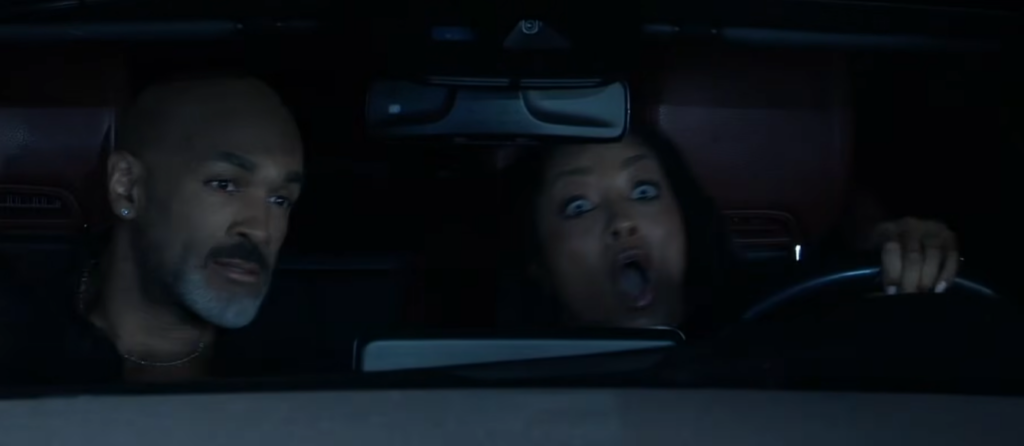
Still, there are details that challenge this entire theory. Early previews suggest that Brook Lynn makes it safely to Charlie’s Pub, appearing composed and unaffected. That raises an important question: if she were involved, wouldn’t there be clearer signs? Unless that absence is intentional. In soap storytelling, the lack of immediate consequences can often be more telling than obvious fallout. A slightly delayed arrival, a subtle emotional disconnect, or a barely noticeable shift in behavior could all hint that something happened on the way—something she hasn’t acknowledged yet.
This is where the possibility of misdirection comes into play. The show may be deliberately drawing attention to the wine to steer viewers in the wrong direction. By focusing suspicion on Brook Lynn, the real cause of the crash could remain hidden—perhaps tied to Danny, Charlotte, or another unseen factor entirely. But even if the wine is a red herring, it still serves a purpose. The fact that it was emphasized so clearly means it will matter in some way—whether as a clue, a contributing factor, or a narrative trap.
At its core, this theory works because it reflects how modern soap operas build drama. Major events rarely come from one clear cause. Instead, they emerge from overlapping decisions, small missteps, and intersecting timelines. Brook Lynn doesn’t need to be fully responsible to be part of the story. She only needs to be present in the wrong place, making the wrong choice, at the wrong moment. And in that gray area—between innocence and accountability—is where the most powerful drama unfolds.