General Hospital may be delivering one of its most brutal Marco moments yet, but the real heartbreak of this knife attack may not be limited to what viewers see on screen. Ross Cullum’s violent move against Marco is already shocking enough as a story beat, yet what gives this moment even more weight is the possibility that the emotional damage behind the cameras was just as intense. When a character is pushed into this kind of darkness, the scene does not only test the audience. It can also test the actor who has to live inside that pain and bring it to life.
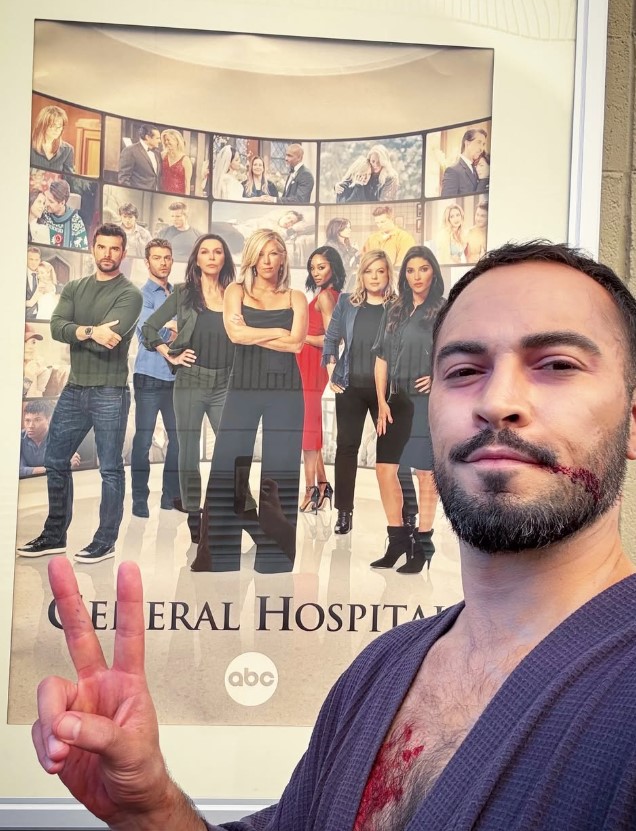
What makes this attack feel so much worse is that it is not just another random danger beat in a soap thriller. Marco is not being placed in temporary jeopardy for a cheap cliffhanger. He is being shoved into a confrontation with one of the coldest and most calculating threats on the canvas. Cullum does not operate like a chaotic villain who explodes for effect. He moves with precision, which makes every act of violence feel more personal, more deliberate, and more final. That is exactly why Marco’s knife attack lands with such force. It feels less like a momentary shock and more like a turning point that could permanently destroy the future this character thought he had.
That is where the offscreen side becomes so haunting. Adrian Anchondo has already made it clear, both through his public comments and the emotional tone surrounding Marco, that this role carries real meaning for him. Marco does not read like a disposable stop on his résumé. He feels tied to something bigger, something deeply personal in Adrian’s journey as an actor. When a performer is playing a role that represents ambition, hope, and arrival, a scene like this stops being just another hard day at work. It becomes the moment where the dream role itself is suddenly dragged through blood, fear, and possible ruin.
That emotional connection is what makes the knife attack potentially even more devastating behind the scenes. Adrian has shown unusual affection for Marco, including the kind of language that suggests this character became more than a script assignment. That matters. It means that if this attack was filmed as the collapse of Marco’s safety, innocence, or future, Adrian may have had to process that collapse on a much deeper level than fans realize. Viewers watch a character get attacked. The actor may feel like he is watching a piece of something he built, protected, and loved get ripped apart in front of him.
Andrew Hawkes’ presence as Cullum likely makes that emotional dynamic even more intense. Cullum’s menace is not loud. It is controlled, detached, and chillingly calm. That kind of villain energy can be far more disturbing than rage because it gives the violence a colder texture. If the scene was played with that same icy restraint, then the horror of it would not have come from chaos alone. It would have come from the silence, the control, and the sense that Marco never really had a chance once Cullum decided to strike. For Adrian, acting opposite that kind of threat may have required him to sink deeper into vulnerability than a more traditional action scene ever would.
That is why the most painful secret behind this storyline may not be a technical production detail at all. It may be the emotional truth of what the scene represented. Even if General Hospital has not confirmed Marco’s final fate, a knife attack like this can still function as a kind of goodbye. Not necessarily a goodbye to the character’s life, but to the version of Marco that existed before this moment. After a violent betrayal, some characters die physically and others survive only to lose everything that once defined them. That possibility is what gives this scene such a funeral-like feeling. It may have been filmed not just as an assault, but as the death of Marco’s old world.
That is also why this story could hit fans harder than expected. The audience is not only reacting to bloodshed. They are reacting to the sense that Marco was carrying emotional momentum, personal stakes, and growing attachment just before everything turned dark. When a character begins to matter more, the destruction of that character feels crueler. When the actor behind that character appears deeply invested, the fallout starts to feel even more painful. The screen shows the wound, but the deeper damage may come from realizing how much this role may have meant to the person playing it.
In the end, that may be the cruel genius of this GH twist. Marco’s knife attack is terrifying on its own, but the scene becomes even more devastating when viewed through the possibility of what Adrian Anchondo may have had to carry into it. A violent storyline is one thing. Watching an actor pour personal meaning into a moment that may shatter his character is something else entirely. Whether Marco survives or not, this attack already feels like a loss. And if that same sense of loss was hanging in the air behind the cameras, then what happened offscreen may truly be even more devastating than the scene itself.Move upMove downToggle panel: WPCode Page ScriptsOpen save panel
- Post