General Hospital fans were left stunned after Cassius delivered an emotional confession on the June 9 episode, claiming he was Nathan’s long-lost twin brother. According to his story, he had been secretly hidden away for years while Nathan lived his life — only to meet a tragic end. Liesl, overwhelmed with emotion, accepted him as her son and embraced him completely. But after taking a closer look at the details, many viewers are beginning to suspect something much bigger may be hiding beneath the surface. What if Cassius never told the whole truth? Even more shocking — what if he isn’t Nathan’s twin at all?
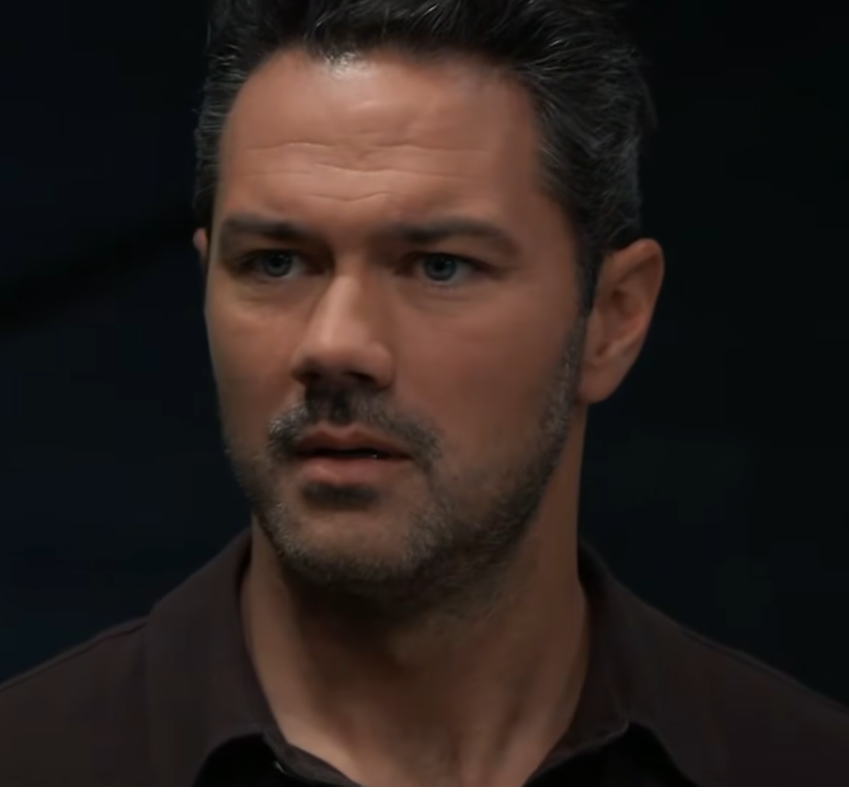
The biggest red flag surrounding Cassius’ story is something fans simply can’t ignore: there was absolutely no proof. Every single detail came directly from Cassius himself, yet nothing backed up his claims. No DNA test appeared. No official documents surfaced. No witnesses stepped forward to confirm there had ever been a secret twin. In the world of soap operas, viewers know that when a major reveal arrives without evidence, it usually means there is another layer waiting to explode.
What made the confession feel even stranger was the deeply personal way Cassius spoke about Nathan. Instead of sounding like someone describing the life of a brother, he often sounded like someone remembering his own past. His emotional insight into Nathan’s bond with Liesl felt unusually intimate. He seemed to understand specific emotions, motivations, and personal experiences in a way that felt far too natural for someone supposedly separated from the family for years. Some fans couldn’t shake the feeling that they weren’t watching a stranger explain Nathan’s life — they were watching Nathan himself trying to hide behind another identity.
One clue that especially caught viewers’ attention involved the way Cassius discussed Faison. His words carried emotional weight that felt deeply personal, almost painfully familiar. Rather than speaking like someone who had merely heard stories about an absent father, Cassius sounded like someone who had personally suffered beneath Faison’s influence for years. The emotional scars in his voice seemed far more connected to Nathan’s history than to the story of a mysterious hidden sibling suddenly appearing out of nowhere.
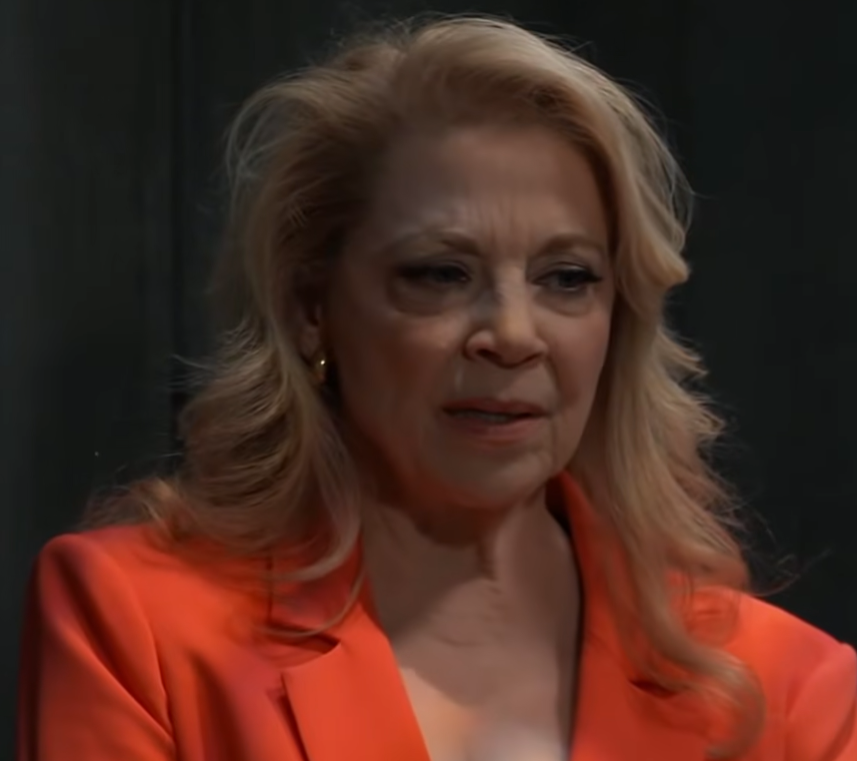
That growing suspicion makes Liesl’s reaction far more important than it initially seemed. In the emotional moment, she appeared devastated, vulnerable, and willing to accept Cassius exactly as he presented himself. But longtime General Hospital viewers know Liesl better than that. She has spent decades surviving betrayal, manipulation, and deception. Liesl is not easily fooled, especially when the story in front of her contains major inconsistencies. Once the emotional shock fades, could she begin replaying Cassius’ words in her mind and start noticing details that don’t add up?
Another detail fueling this theory is the intensity of Cassius’ devotion to Liesl. His concern for her safety didn’t feel ordinary. He made it painfully clear that he would sacrifice everything — even his own life — to protect her. That level of emotional attachment feels surprisingly extreme for someone who supposedly spent his life separated from his mother. Instead, it resembled the fierce loyalty of someone who had already loved, protected, and cherished that family for years. If Cassius were truly Nathan, that reaction would suddenly make perfect sense.
Of course, longtime soap fans know one golden rule better than anyone: no body means no confirmed death. Nathan’s tragic ending may not have been as final as viewers once believed. Suddenly, endless possibilities begin opening up. Could Nathan have survived in secret? Did Faison somehow take control of his fate behind the scenes? Was he captured, manipulated, or psychologically conditioned into becoming someone entirely different? A brainwashed Nathan convinced he is “Cassius” would feel incredibly familiar to the kind of shocking twists General Hospital has pulled off before.
Once fans start looking at the situation through that lens, many of Cassius’ actions become much easier to explain. His unusual familiarity with Nathan’s life no longer feels suspicious — it feels logical. His emotional closeness with Liesl suddenly makes complete sense. Even the instinctive way he seems to fit into Nathan’s world begins to feel less like coincidence and more like hidden truth. The brainwashing theory may actually explain his behavior far better than the secret twin narrative ever could.
If this theory turns out to be correct, then Cassius’ June 9 confession wasn’t a heartbreaking revelation at all — it was a carefully disguised cover story. Instead of introducing Nathan’s secret brother, General Hospital may have quietly planted clues that Nathan himself has been hiding in plain sight all along. And if Liesl noticed even one inconsistency in Cassius’ story, she may soon become the first person to uncover the truth. The real shocker may not be that Nathan had a hidden twin — the real shocker could be that Nathan never disappeared at all.
