For years, Britt Westbourne believed she was living on borrowed time. Every difficult decision, every broken relationship, and every dangerous alliance seemed justified because she thought Huntington’s disease was slowly killing her. But in one unforgettable conversation, Lucas Jones shattered everything she believed about her future. Instead of delivering another devastating diagnosis, he revealed something even harder to accept: Britt had never been dying at all.
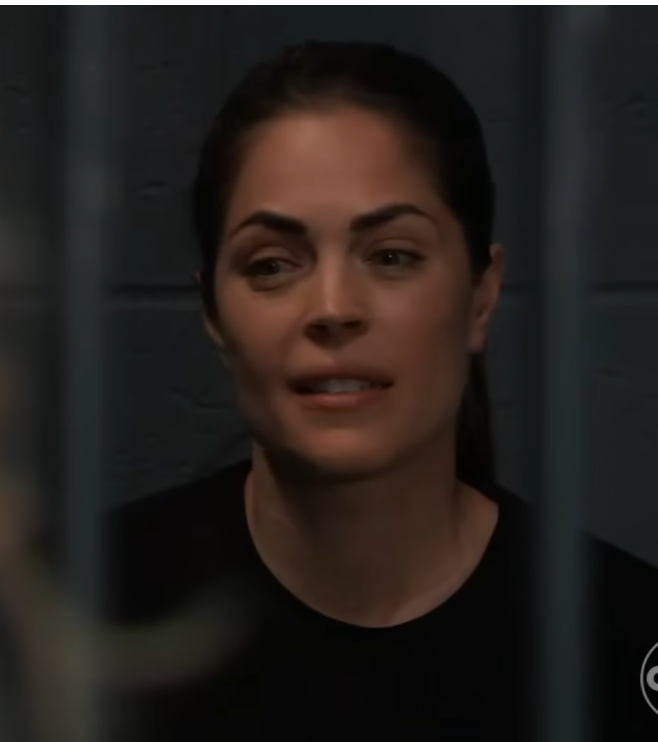
Britt’s entire life had been shaped by the expectation of an early death. Convinced that Huntington’s disease would eventually claim her life, she approached every choice with desperation rather than hope. The possibility of a normal future disappeared long ago, replaced by survival instincts and impossible compromises. When Lucas finally confronted her with the truth, he didn’t rescue her from prison or defeat the people responsible for her suffering. Instead, he removed the greatest prison of all—the lie she had been living for years.
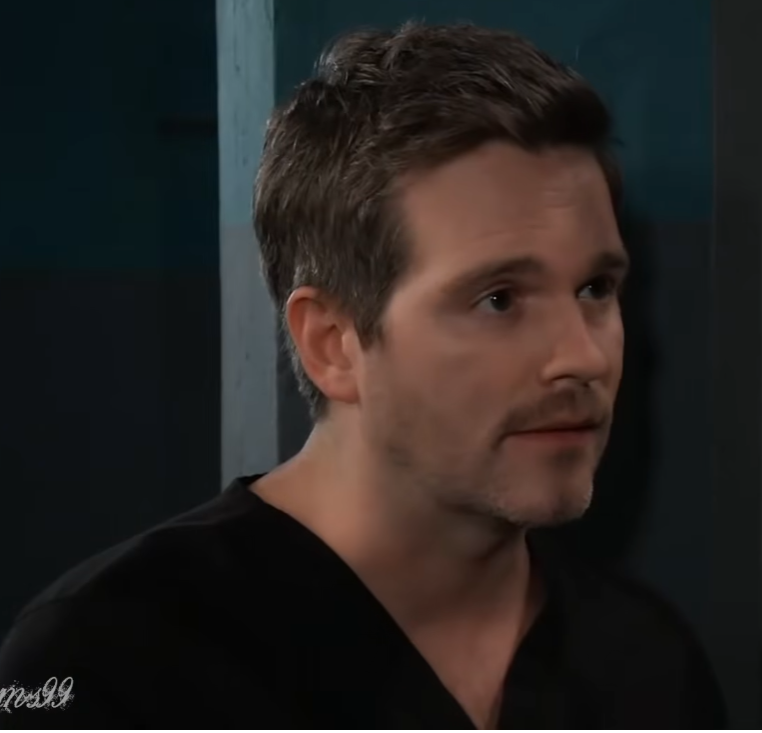
The shocking revelation came after Lucas carefully pieced together several disturbing clues. Detective Joe had already mentioned that the medication Britt believed was keeping her alive was nothing more than ordinary saline solution. Around the same time, Josslyn overheard Cullum admitting that Britt had never actually suffered from Huntington’s disease. Once Lucas connected those facts, he realized there was only one ethical choice left. As a doctor, he had to tell Britt the truth, regardless of how painful that truth would be.
Unsurprisingly, Britt refused to believe him at first. She had experienced frightening physical symptoms whenever she missed one of her injections, reinforcing everything she thought she knew about her illness. Those episodes had convinced her that her diagnosis was real. Lucas patiently explained that Cullum had manipulated her medical records from the very beginning and that the symptoms she experienced were psychological responses created by years of fear, trauma, and dependency. The illness controlling her life had never been Huntington’s disease—it had been deception.
Ironically, the best news Britt could possibly receive became one of the most painful moments of her life. Learning that she would survive should have brought immediate relief, yet it happened while she sat behind bars, forced to reflect on every terrible decision she had made under false pretenses. There was no dramatic celebration or emotional reunion waiting for her. Instead, there were legal consequences, overwhelming regret, and the crushing realization that countless sacrifices had been made for a disease she never actually had.
Perhaps the cruelest part of Lucas’s revelation was that it forced Britt to reevaluate her entire past. Believing she had little time left, she had justified working alongside dangerous men and making choices she might never have considered otherwise. She sacrificed relationships, crossed moral boundaries, and became involved in some of the darkest chapters connected to Faison’s Cold Fusion nightmare because she genuinely believed Cullum alone possessed the treatment that kept her alive. Everything she had built her survival around suddenly collapsed in an instant.
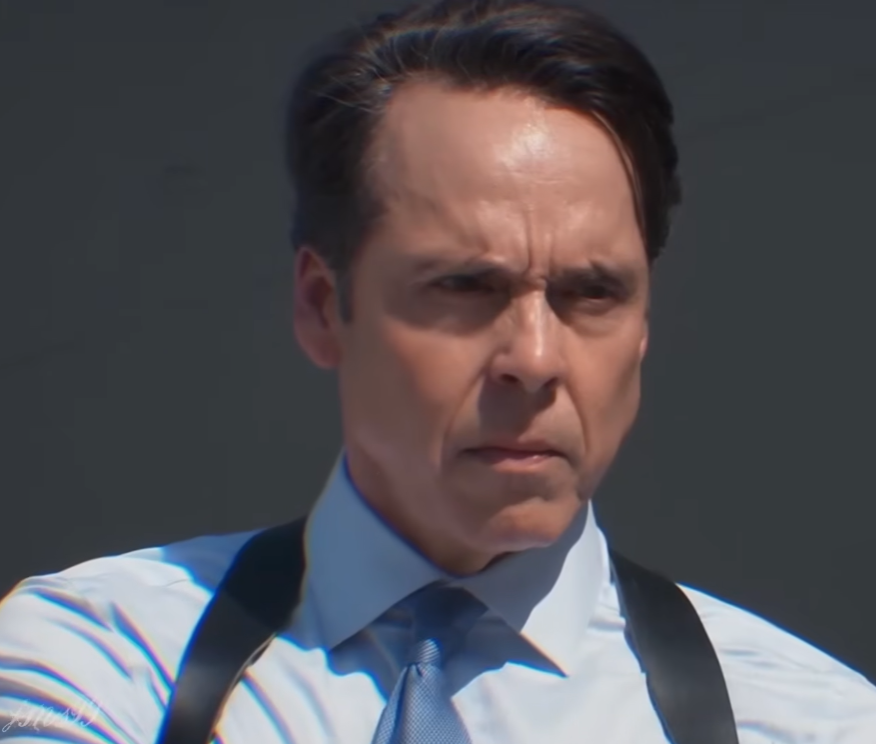
When Liesl Obrecht finally arrived, Britt openly admitted the emotional weight she was carrying. She confessed that fear of dying had driven nearly every decision she regretted. Cullum had convinced her that the injections were essential, when in reality he had been administering nothing more than saline solution while maintaining complete control over her life. The elaborate medical fraud wasn’t simply about fake treatment—it was about keeping Britt emotionally trapped, ensuring she remained dependent on the very man orchestrating the deception.
That is precisely why Lucas became such a pivotal figure in this storyline. He didn’t play the traditional hero by breaking Britt out of danger or confronting Cullum with violence. His greatest act of heroism was exposing the lie that had imprisoned her mind for years. By revealing the truth, Lucas gave Britt something she had believed was impossible: the chance to reclaim ownership of her future. At the same time, he forced her to confront the painful consequences of choices she could no longer excuse as the actions of a dying woman.
Liesl experienced the revelation from an entirely different perspective. As a mother, discovering that her daughter would actually survive should have been the happiest news imaginable. Yet even she understood that this miracle carried enormous emotional consequences. Britt now faced a future she had never expected to have. Instead of preparing for death, she suddenly had to imagine decades of life stretching ahead—a future filled not only with possibility but also accountability.
In many ways, Lucas’s words were more devastating than any terminal diagnosis. Death had once provided Britt with an explanation for everything she had done. Once that explanation disappeared, she was left alone with the truth about herself, her decisions, and the damage caused by years of manipulation. Her greatest battle was no longer against an incurable disease but against the emotional scars left by Cullum’s lies.
Now Britt stands at the beginning of an entirely new chapter. Free from Cullum’s control and no longer living beneath the shadow of a false death sentence, she finally has the opportunity to rebuild her identity. The future she never believed she would have is now hers—but accepting that future may prove far more difficult than surviving the lie that stole so many years of her life.
