Ross Cullum’s reign of terror on General Hospital officially came to a violent end in the July 2 episode when WSB agent Josslyn Jacks shot and killed the ruthless director. With that dramatic showdown, Andrew Hawkes wrapped up his six-month run as one of the soap’s most unforgettable villains. While Cullum’s story ended on screen, Hawkes has now shared a fascinating secret about the character—one that viewers never heard during the series.
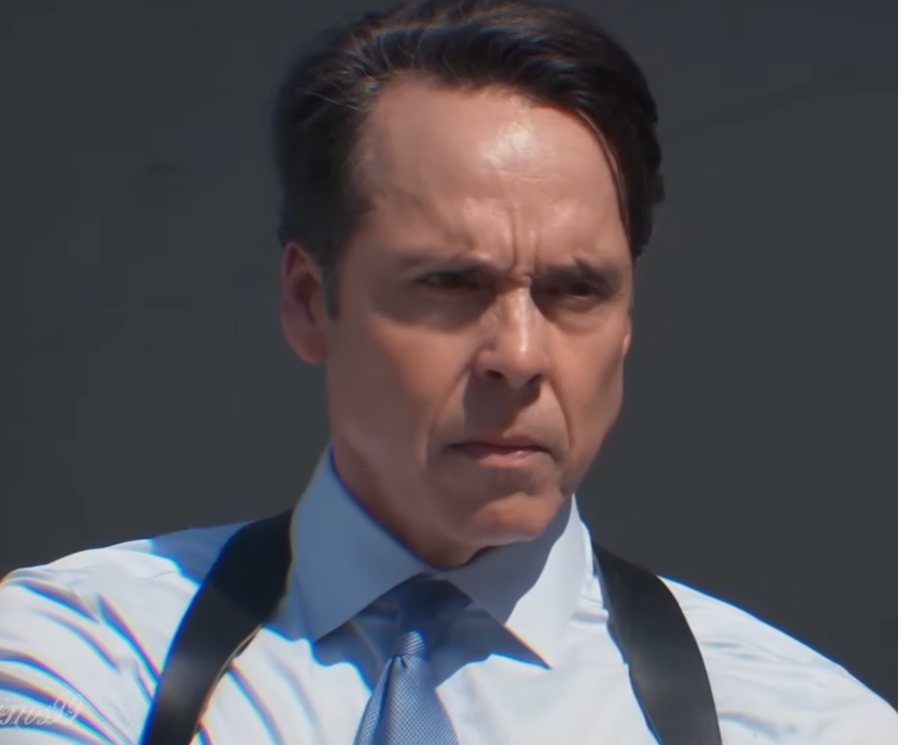
Cullum left behind an extraordinary trail of destruction throughout Port Charles. His crimes included the brutal murder of Marco Rios, manipulating Anna Devane until she was institutionalized in a psychiatric facility in France, and attempting to murder WSB Chief Jack Brennan by strapping him to a hospital bed and forcing him to inhale carbon monoxide. Every scheme reinforced his reputation as a calculating mastermind willing to eliminate anyone who stood in his way.
His list of atrocities did not stop there. Cullum orchestrated the penthouse fire intended for Sonny Corinthos, an attack that instead left Michael with devastating burns requiring treatment at a specialized clinic in Germany. He also deceived Britt Westbourne for years by convincing her she had never suffered from Huntington’s disease, only to secretly poison her medication near the end of her life. He even appeared responsible for beating Jason Morgan to death before Rocco Falconeri interrupted the assault by shooting Cullum in the back. Few villains in recent General Hospital history caused as much heartbreak across so many storylines.
Although viewers witnessed countless evil acts, the series never explained why Cullum became such a dangerous man. During a recent appearance on Michael Fairman’s YouTube interview series, Andrew Hawkes revealed that he created an extensive personal backstory for the character to help shape his performance. He emphasized that these ideas never came from the writers and were never intended to become official canon. Instead, they served as his own emotional foundation while portraying the role.
According to Hawkes, his version of Cullum had once been a highly dedicated operative who successfully completed an overseas mission involving the assassination of a powerful government official. Rather than being rewarded for his service, he imagined Cullum being abandoned by the WSB, dismissed from duty, and forbidden from returning to the United States. That punishment became the defining moment that destroyed his life.
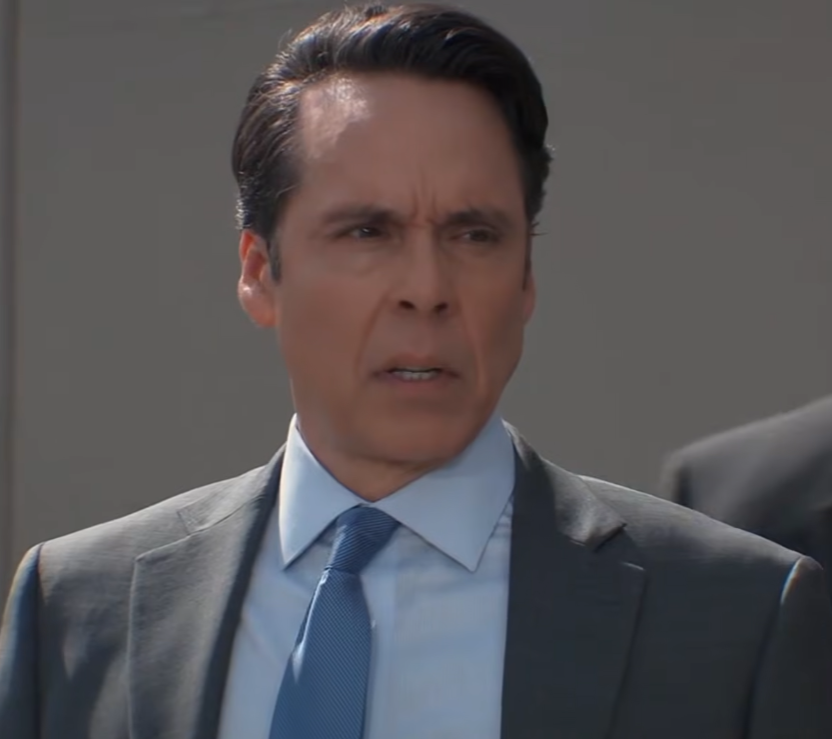
In Hawkes’ imagined history, Cullum’s greatest tragedy centered on his daughter. Because he was stranded overseas with no financial support, no medical insurance, and no assistance from the agency he had served, he was unable to return home while his daughter battled leukemia. She ultimately died before he could see her again. Hawkes explained that this heartbreaking loss became the emotional core of everything Cullum later did.
The actor said that, in his mind, Cullum’s mission shifted completely after that devastating betrayal. Instead of protecting the organization he once served, he decided to destroy it from within. Hawkes imagined a man consumed by grief, convinced that the WSB had abandoned him when his family needed help the most. That personal interpretation fueled every scene he performed, even though none of it appeared in the scripts.
Hawkes was careful to point out that he never intended this backstory to excuse Cullum’s horrific actions. Instead, it simply gave him a believable emotional motivation. He approached the role by portraying someone whose overwhelming anger and unresolved trauma eventually consumed every part of his identity. Rather than playing evil for the sake of being evil, Hawkes wanted audiences to sense the pain buried underneath the violence.
The actor also reflected on what separates heroes from villains. He described a simple but powerful idea that shaped his performance. In his view, a hero experiences suffering and chooses not to inflict that pain on others. A villain experiences the same suffering but decides the entire world deserves to suffer as well. Hawkes believed that combination of emotional trauma and psychological damage explained why Cullum became such a destructive force.
Beyond discussing the character, Hawkes also looked back on his final day filming General Hospital. One unexpected highlight was sharing the set with special guest John Oliver, who made a memorable appearance as the mysterious character known as Z. Hawkes admitted he had admired Oliver for years and was impressed by how seriously he approached the role despite being better known as a television host than an actor.
Although Hawkes did not spend much time speaking with Oliver, he closely watched his performance during filming. He praised Oliver’s preparation, confidence, and commitment, saying that viewers unfamiliar with his previous work would likely believe they were watching an experienced dramatic actor. Hawkes especially admired Oliver’s calm screen presence, including the way he entered scenes and handled the action sequences involving firearms.
One surprising revelation from the interview involved Ryan Paevey’s character, Cassius. Hawkes confessed that he believed Cassius had exited the story for good after Ryan completed filming. It was only after watching the finished episode that he discovered Cassius had actually survived and appeared in additional scenes. Since those sequences were filmed separately, Hawkes had no idea the character remained alive until the episode aired.
Reflecting on Oliver’s work one final time, Hawkes praised the guest star’s professionalism while stepping into a cast filled with veteran performers. He noted that Oliver remained humble, courteous, and fully committed throughout the production. For Hawkes, the experience reinforced how much preparation and respect Oliver brought to the set despite entering an established daytime drama with decades of history.
Andrew Hawkes’ behind-the-scenes insights offer fans a completely different way to view Ross Cullum. While none of his imagined backstory changes the character’s brutal crimes, it reveals the emotional framework Hawkes built to deliver one of the show’s most chilling performances. Whether fans see Cullum as a tragic figure consumed by loss or simply one of Port Charles’ most ruthless villains, Hawkes’ explanation adds an entirely new layer to a character whose impact on General Hospital will not soon be forgotten.
