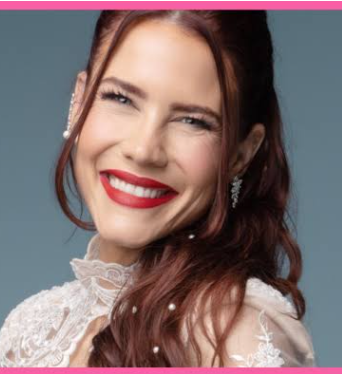
One pair of skin-tight black pants has unleashed a furious debate among The Young and the Restless viewers, but the controversy surrounding Sally Spectra has taken a heartbreaking turn. As fans question her seemingly effortless recovery after giving birth to baby Ruby, actress Courtney Hope’s painful revelations about eating disorders and body image have resurfaced, exposing an uncomfortable connection between television glamour and the devastating pressure women face to look perfect.
What started as criticism of Sally’s wardrobe has become a much more emotional conversation about motherhood, unrealistic beauty standards, and the hidden suffering behind a polished appearance.
Sally’s dramatic delivery was supposed to mark a beautiful new chapter. After enduring unimaginable heartbreak over losing her daughter Ava, she finally welcomed baby Ruby into the world, with Adam Newman unexpectedly helping deliver the child. However, instead of focusing entirely on Sally’s emotional journey, viewers quickly became distracted by her remarkably glamorous postpartum appearance.
The biggest controversy centered on Sally’s tight black leather-look pants. Despite having recently given birth, Sally appeared carefully dressed, beautifully made up, and seemingly ready to return to her fashionable lifestyle without the physical struggles many mothers remember experiencing.
For some viewers, the portrayal was simply impossible to accept.
Women who had experienced childbirth questioned why Sally wasn’t wearing comfortable pajamas, loose clothing, or sweatpants. Others criticized the unusually tidy delivery, her rapid recovery, and the newborn baby’s appearance, arguing that the storyline overlooked the exhausting physical realities of childbirth.
Yet the backlash also exposed a sharp division among viewers.
Some defended Sally, explaining that postpartum recovery varies dramatically between women. Others suggested that her pants were stretchy faux-leather leggings rather than restrictive leather trousers. Several viewers also appreciated that the show had not completely erased Sally’s postpartum belly.
But the controversy becomes considerably more painful when Courtney Hope’s personal history enters the discussion.
During an appearance on Maurice Benard’s State of Mind, Hope openly discussed her struggles with anorexia, bulimia, excessive exercise, and the emotional consequences of unhealthy body expectations.
One particularly disturbing revelation involved an illness she experienced while working overseas. Hope recalled losing substantial weight because she was physically unwell, only to receive compliments about her thinner appearance.
The experience revealed a devastating reality: society can celebrate a woman’s appearance even when her body is suffering.
That confession gives the current Sally controversy an unexpected emotional dimension. An actress who has publicly described the damage caused by appearance-related pressure is now portraying a fictional mother whose body and clothing are being scrutinized almost immediately after childbirth.
There is no evidence that Hope personally selected Sally’s controversial outfit or objected to the production’s wardrobe decisions. Nor is there any indication that her past eating disorders have returned.
Nevertheless, the contrast raises an uncomfortable question about the standards audiences place on women.
When viewers criticize Sally for looking too glamorous after childbirth, are they demanding realistic storytelling, or unintentionally contributing to the same appearance-focused scrutiny that can harm women’s confidence?
The answer is complicated because both concerns deserve attention.
Television should acknowledge that childbirth can involve pain, exhaustion, hormonal changes, and lengthy recovery. At the same time, women should not be expected to look a particular way to prove that their postpartum experiences are authentic.
For Sally, however, the emotional stakes extend far beyond clothing.
Her previous pregnancy ended in the devastating loss of Ava, the daughter she was expecting with Adam. That tragedy left profound emotional scars and transformed what should have been a joyful experience into one of the darkest chapters of her life.
Ruby’s arrival represents a second chance at motherhood, but happiness does not automatically erase grief.
Sally must now navigate the demands of caring for a newborn while balancing her complicated history with Adam and her marriage to Billy Abbott. Beneath her fashionable exterior could lie fears that viewers have not yet fully witnessed.
Could Sally’s determination to appear perfectly composed become the very thing that exposes her deepest emotional vulnerability?
That possibility remains a speculative storyline, not a confirmed upcoming development. Still, it would offer a powerful connection between Sally’s glamorous image and the unresolved pain surrounding Ava’s death.
Courtney Hope’s disclosures make that possibility especially meaningful without suggesting that the actress and her fictional character share the same experiences.
Ultimately, this controversy was never destined to remain just about leather pants.
It has exposed a much larger conflict between unrealistic television expectations, the realities of motherhood, and the damaging habit of judging women by their appearance.
And as Sally begins raising Ruby, one explosive question remains: Will Y&R finally reveal the heartbreak hiding beneath Sally’s picture-perfect motherhood, or will her flawless appearance continue concealing the emotional scars that could change everything?
