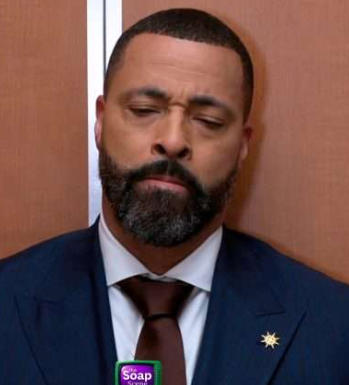
Bill Hamilton’s devastating emotional breakdown on Beyond the Gates has exposed a painful childhood secret, but the most disturbing question may still be unanswered. After watching Bill relive his father’s rejection, viewers are beginning to wonder whether another influential man in his life, Lewis, reinforced the same cruelty that nearly destroyed him. Could Bill have spent his entire life trying to escape one abusive father figure, only to find himself trapped beneath the judgment of another?
The November 9 episode delivered one of Bill’s most emotionally revealing moments. His rage over Hayley’s betrayal and the confirmation that he fathered her baby unleashed memories he had buried for decades. The powerful attorney who once controlled everyone around him suddenly appeared helpless against his own past. His father had made him feel unwanted, and that rejection shaped the man Bill eventually became. However, the possibility that Lewis contributed to those wounds introduces an entirely different dimension to his troubled history.
Lewis has not been established as another abusive father figure, but the theory raises a compelling question about Bill’s relationships with powerful older men. What if Bill’s desperate need for approval never ended with his biological father? What if he encountered another authority figure whose criticism, emotional distance, or impossible expectations reminded him of the rejection he experienced as a boy? Such a revelation would suggest that Bill’s emotional damage was not confined to childhood. It may have followed him into adulthood, influencing every major decision he made.
That possibility becomes especially disturbing when examining Bill’s obsession with success. He built a formidable legal career, accumulated wealth, and cultivated an intimidating reputation. Yet none of those achievements protected him from the emotional devastation of discovering Hayley’s deception. Perhaps Bill’s relentless ambition was never simply about money or power. Perhaps he spent decades trying to prove his worth to men who refused to recognize it. If Lewis played any role in reinforcing that insecurity, Bill’s professional accomplishments could conceal a much deeper personal tragedy.
His disastrous marriage to Hayley also looks different through this lens. Bill abandoned Dani, betrayed his daughters’ trust, and convinced himself that a younger woman represented the happiness he deserved. Instead, Hayley manipulated him and left him facing another painful consequence. The man who once feared being unwanted now finds himself responsible for a child whose arrival has reopened his oldest wounds. Bill’s reaction suggests that the pregnancy represents far more than an unexpected financial or parental obligation.
The greatest danger is that Bill could repeat the very behavior he despised in his father. He remembers what rejection felt like, yet his immediate struggle to accept Hayley’s baby raises questions about whether he can separate an innocent child from his anger toward the child’s mother. If the baby turns out to be a boy, the emotional parallels could become even more powerful. Bill would face the opportunity to give his son the unconditional love he never received, or continue a devastating cycle of rejection.
Caroline’s presence during Bill’s crisis offers another revealing contrast. Unlike the men who may have shaped his insecurities, Caroline refuses to flatter him or excuse his mistakes. She understands his history, recognizes his pain, and still expects him to take responsibility. Her willingness to challenge him could become essential to his recovery. Perhaps the person capable of helping Bill confront his past is not another powerful authority figure, but the trusted friend who has watched him struggle for more than twenty years.
Dani’s position is equally significant. She endured Bill’s betrayals while raising their daughters and maintaining the family he eventually abandoned. His childhood suffering explains some of his emotional struggles, but it does not erase the damage he inflicted on her. If Bill truly wants redemption, he must recognize that being wounded does not give him permission to wound others. His greatest transformation would involve accepting responsibility without demanding forgiveness or another romantic opportunity.
The Lewis theory remains unconfirmed, but it opens a provocative possibility for Beyond the Gates. Bill’s breakdown could be the beginning of a much larger examination of the people who shaped him. If another father figure reinforced his childhood rejection, confronting that history could force Bill to reconsider everything he believes about love, loyalty, masculinity, and family. The most explosive revelation would not necessarily be that Lewis hurt him. It would be discovering that Bill has spent his entire adult life becoming the kind of man he once feared.
And now, with Hayley’s baby connecting his painful past to an uncertain future, Bill faces a choice that money, influence, and legal power cannot resolve. Will he finally break the cycle of cruelty, or will another innocent child pay the price for wounds that began generations earlier?
