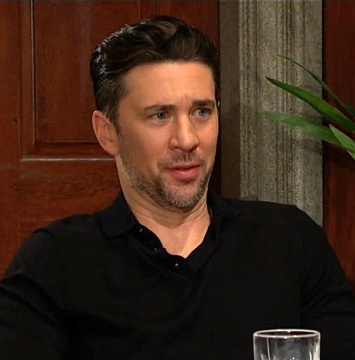
Cane Ashby’s mysterious past could be about to catch up with him in the most terrifying way imaginable on The Young and the Restless. Just as Cane struggles to rebuild trust with Lily Winters and her family, a forgotten connection from his Aristotle Dumas years could put his future in jeopardy.
And this time, the greatest threat may not be another business rival.
It could be someone who knows exactly what Cane promised while operating under his secret identity.
The latest developments have already raised questions about Cane’s reliability. Devon Winters recently rejected Cane’s offer to provide financial support and serve as an adviser, making it clear that he wasn’t convinced Cane would remain committed.
That rejection matters because Cane is trying to demonstrate that he can be trusted again.
For years, his complicated decisions and hidden agendas damaged his relationships with the people closest to him. Lily knows better than anyone how painful it can be to believe Cane has finally changed, only to discover another truth he failed to reveal.
Now his Aristotle Dumas history offers a particularly dangerous source of unfinished business.
Cane’s use of that identity allowed him to operate in circles where secrecy, influence, and strategic alliances were essential. But building a business empire under another name can create obligations that do not simply disappear when the truth becomes public.
What if one of those obligations has finally come due?
Imagine Lily asking Michael Baldwin to help review documents connected to an ongoing Chancellor dispute. She wants to understand which former business associates might still have claims involving Cane.
Michael could uncover an old contact list associated with Aristotle Dumas.
Most of the names would be familiar from Cane’s business history. But one would stand out because the person has recently returned to active negotiations after years of silence.
The discovery would initially seem routine.
Then Michael might notice that the same contact appears in correspondence involving an unfinished agreement.
Instead of an ordinary investment, the paperwork could refer to a personal commitment that Cane never fully explained.
Lily would immediately recognize the danger.
If Cane made promises while hiding behind Aristotle Dumas, those promises could threaten Chancellor or expose him to someone determined to collect a debt.
The mystery would become more frightening if Cane refused to discuss the contact.
He might insist that the matter was resolved years ago. But his sudden defensiveness could convince Lily that he is concealing something serious.
And Lily has heard that kind of reassurance before.
She knows how easily Cane can convince himself that withholding information is justified when he believes he is protecting his family.
This time, however, secrecy could make everyone less safe.
Imagine Cane receiving a private message from the former associate shortly after Lily discovers the contact list.
The message might demand a meeting at an isolated location and warn Cane not to involve anyone else.
Cane would face a choice.
He could tell Lily and Michael immediately, allowing them to assess the threat together. Or he could attempt to resolve the problem alone, believing that involving his family would only put them in danger.
The second choice would create the perfect conditions for a disappearance.
If Cane suddenly stopped answering calls, Lily might initially assume he had walked away from another responsibility. Devon’s recent doubts about Cane’s commitment would reinforce that suspicion.
But the old contact list could suggest a much darker explanation.
What if Cane hasn’t abandoned anyone?
What if someone from his past has deliberately isolated him?
The possibility of a kidnapping has been raised in spoiler speculation, but no confirmed abduction should be assumed. A storyline involving a threatening former associate would offer a concrete mechanism for such a development without pretending it has already happened.
Michael could become essential to the investigation.
His legal experience might help identify whether the mysterious agreement is enforceable, fraudulent, or connected to an earlier business scheme.
He could also advise Lily about preserving correspondence and involving the authorities if there is evidence of threats.
Devon, meanwhile, might be forced to reconsider his judgment.
He has good reasons to distrust Cane’s promises, but if Cane is genuinely in danger, Devon’s anger could prevent him from recognizing the warning signs.
Lily would face the most painful dilemma of all.
She wants to believe Cane can become a reliable part of her life again. Yet the discovery of another hidden obligation could make her wonder whether he has learned anything from the past.
Even if Cane survives the crisis, their relationship might not.
The greatest betrayal could be that he had an opportunity to tell Lily the truth and chose secrecy instead.
Alternatively, the old contact list might reveal that Cane was being manipulated long before he returned to Genoa City.
That would turn the entire story upside down.
Perhaps the former associate deliberately engineered Cane’s latest problems, hoping to exploit his damaged reputation and ensure nobody would believe him.
If Lily uncovers that pattern, she could become the person who saves him.
The contact list, threatening agreement, and mysterious enemy are proposed creative evidence, not confirmed developments. The established foundation is Cane’s Aristotle Dumas past, his troubled relationships, and Devon’s recent rejection of his offer.
But the potential consequences are enormous.
Will Lily uncover the person threatening Cane before he disappears, or will another secret from Aristotle Dumas’ past destroy their chance at happiness forever?
