Curtis Ashford’s long-awaited freedom could become the beginning of his most devastating reckoning yet on General Hospital. After walking out of Pentonville and returning to Port Charles, Curtis has every reason to celebrate his second chance. But there is one man he cannot face without confronting the terrible consequences of his own actions: Isaiah. And when Curtis finally admits what he did wrong, a single haunting question from the doctor could expose an even more disturbing mistake involving Sonny Corinthos.
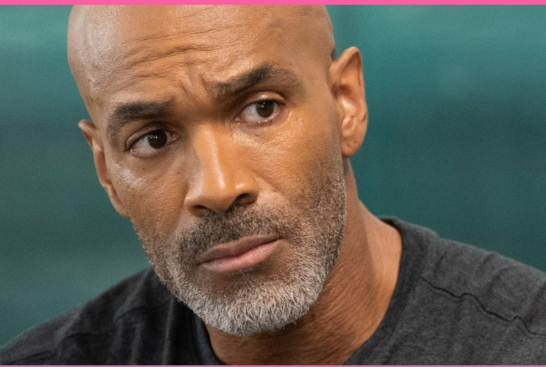
Curtis’s release does not erase the violence that sent him to prison. Monet’s legal maneuvering may have opened the prison gates, but a mistrial is not an acquittal. Curtis remains responsible for attacking Isaiah, whose injured hand threatened the surgical career he spent years building. For Curtis, the uncomfortable truth is that winning his freedom does not automatically mean earning forgiveness.
That realization could drive Curtis to seek out Isaiah for a private conversation. Instead of defending himself or blaming the circumstances surrounding the attack, Curtis might finally admit that he allowed anger and suspicion to control his judgment. He convinced himself Isaiah was responsible for his suffering, and once that belief took hold, he stopped questioning whether he had the facts to support it.
Isaiah would have every reason to reject an apology. Curtis did not merely insult him or spread an ugly rumor. He physically attacked a doctor and left him facing consequences that could follow him for the rest of his life. Isaiah could remind Curtis that regret cannot restore lost opportunities, undo the pain or guarantee that his hand will ever function exactly as it did before.
For once, Curtis would have no convincing defense. He could acknowledge that he acted before knowing the truth and punished Isaiah for something he had not proven. The admission would represent a significant change for a man who has repeatedly allowed his emotions to overwhelm his judgment. But Isaiah’s response could transform this emotional confrontation into something far more explosive.
Imagine Isaiah looking directly at Curtis and asking seven words that instantly destroy his composure: “What if you’re wrong about Sonny, too?”
The question would strike Curtis harder than any accusation. He has already been quick to suspect Sonny in connection with the frightening events surrounding Pier 55. With gunfire, conflicting accounts and dangerous enemies complicating the investigation, Curtis has reasons to be suspicious. But suspicion is not proof, and Isaiah knows better than anyone what happens when Curtis forgets that distinction.
Suddenly, Curtis could recognize a terrifying pattern. He once believed Isaiah was guilty because the circumstances appeared to point in his direction. He treated his own interpretation as an established fact, ignored the possibility that he was mistaken and allowed his certainty to justify an unforgivable act. Now, with Sonny, Curtis risks following the same path.
The realization would not prove Sonny innocent. Sonny has a complicated history, powerful enemies and secrets that make him an obvious suspect whenever violence erupts in Port Charles. But those facts cannot establish who ordered the Pier 55 attack. Curtis would have to confront the possibility that he has once again confused a man’s reputation with evidence of a particular crime.
Even more disturbing, Curtis might begin questioning how much of his certainty came from what he personally witnessed and how much came from accusations made by others. If he accepted someone else’s interpretation without examining the evidence, he could be helping the real mastermind remain hidden. The same mistake that destroyed his relationship with Isaiah could now threaten to derail the investigation into the shootings.
Isaiah’s question would also force Curtis to consider the consequences for everyone caught in the middle. Sonny’s family is already dealing with fear, danger and uncertainty. Another unsupported accusation could intensify existing conflicts, distract investigators and give whoever orchestrated the violence additional time to cover their tracks. Curtis knows exactly how destructive a false conclusion can become when people act on it.
That leaves Curtis facing an extraordinary choice. He could continue defending his suspicions to protect his pride, or he could acknowledge that his judgment has been compromised. After everything Isaiah suffered, Curtis cannot claim to have learned from his mistakes while refusing to reconsider his accusations against Sonny.
The most powerful development would come if Curtis decided to examine the Pier 55 evidence again before making another public accusation. Rather than automatically accepting Sonny’s guilt, he could question the sequence of events, the intended target and the assumptions that shaped the investigation. One overlooked contradiction could become far more important than the reputation of the man everyone suspects.
And Isaiah, despite being the victim of Curtis’s previous mistake, could become the unlikely person who prevents another injustice. His willingness to challenge Curtis would not mean he has forgiven him. It would mean he refuses to watch the same destructive behavior claim another victim.
By the time their conversation ends, Curtis could leave more shaken than when he arrived. He came to Isaiah hoping to confront the guilt of his past, only to discover that his latest accusations might reveal how little he has truly changed.
Now one terrifying question hangs over Port Charles: If Curtis was wrong about Isaiah and could be wrong about Sonny, who has been hiding behind those accusations all along? And will Curtis recognize the truth before another innocent person pays the price?
