Nina is standing at the edge of a decision that could destroy what little remains of her family, and the truth is brutal: there is no version of this story where she walks away clean. What Willow has done is not a mistake, not a lapse in judgment, but a calculated descent into manipulation, violence, and control. And for the first time, Nina is being forced to confront a reality she has spent years avoiding — loving her daughter may now require turning against her. The question is no longer emotional. It’s ethical, legal, and deeply dangerous.
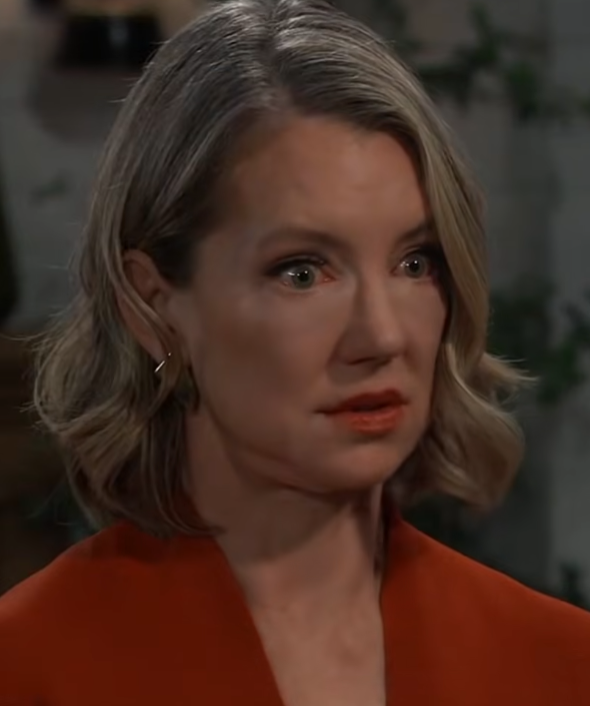
What makes this situation even more explosive is the way Willow has flipped the power dynamic. This is no longer a troubled daughter seeking help — this is someone who has framed her own mother, weaponized guilt, and used fear as leverage. Blackmail isn’t just a betrayal, it’s a declaration of intent. Willow isn’t asking for protection; she’s demanding silence. And that changes everything. Because once silence becomes complicity, Nina is no longer a victim — she becomes part of the crime.
The most chilling part of this storyline isn’t what Willow has already done, but what she might do next. Fans are not reacting out of exaggeration — they’re responding to a clear pattern of escalation. Someone who can rationalize poisoning, manipulation, and psychological control doesn’t simply stop. They adapt. They justify. They go further. And that’s why so many believe this isn’t about punishment anymore. It’s about prevention. Waiting is not neutral. Waiting is dangerous.
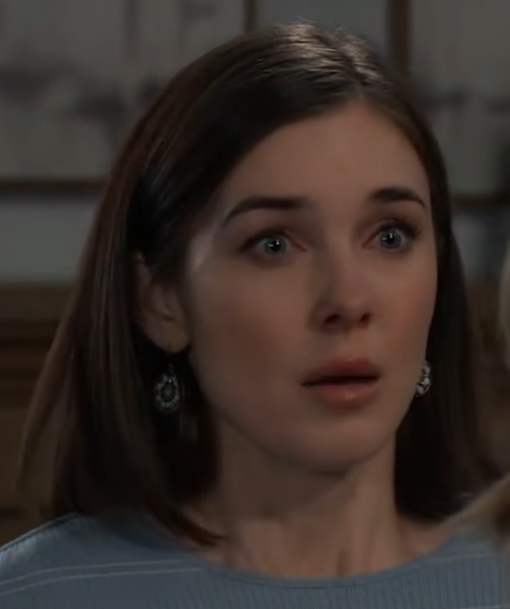
Then there’s the one factor that cuts through every emotional excuse: the children. No matter how complicated Nina’s feelings are, the presence of her grandchildren changes the stakes completely. This is no longer just about mother and daughter — it’s about who is safe to be around vulnerable lives. And the consensus is growing louder: Willow, in her current state, is not safe. Protecting her at this point doesn’t protect the family — it puts the next generation directly in harm’s way.
Yet the tragedy of Nina’s position lies in something painfully human. She has spent so long craving her daughter’s love that she may not even recognize how that desire is being used against her. This isn’t just fear holding her back — it’s longing. The need to finally have that connection, that validation, that bond she was denied for years. But that same need is exactly what Willow is exploiting. And the longer Nina hesitates, the clearer it becomes: this isn’t love being built. It’s control being reinforced.
There’s also an uncomfortable truth many fans are beginning to acknowledge — Nina’s history complicates her judgment. She has made destructive choices before. She has blurred lines between right and wrong when emotions took over. And now, she’s facing the consequences of a pattern she never fully broke. Some even argue that Willow’s behavior didn’t come out of nowhere, but from a legacy of manipulation and trauma. Whether that’s fair or not, it adds another layer of urgency: if Nina doesn’t break the cycle now, no one will.
Still, there is one path that stands out as both the hardest and the most necessary: telling the truth. Not out of revenge, not out of anger, but out of responsibility. Turning Willow in is not about giving up on her — it may be the only way left to save her. Real help doesn’t come from secrecy. It comes from accountability. And if Willow is truly spiraling, then consequences might be the only thing strong enough to stop her.
In the end, Nina’s decision will define more than just her relationship with Willow. It will determine whether she chooses fear or courage, illusion or reality, enabling or protection. Because this isn’t just a story about a mother and her daughter anymore. It’s about the moment someone realizes that doing the right thing doesn’t feel like love — but it might be the only real version of it left.