Cullum may have thought he was tightening his grip on Cassius, but that chilling warning at General Hospital may have done something far more dangerous: it may have exposed exactly how deep his control really goes and why he is now starting to look less like a powerful handler and more like the man hiding the truth about Marco’s murder. On the surface, the scene played like another ruthless power move, with Cullum coldly reminding Cassius that Britt would only get her medication when she showed progress and then delivering the line that he could destroy Cassius’ life just as easily as his sister’s. But underneath that threat was something much darker. This was not just intimidation. This was panic disguised as power.
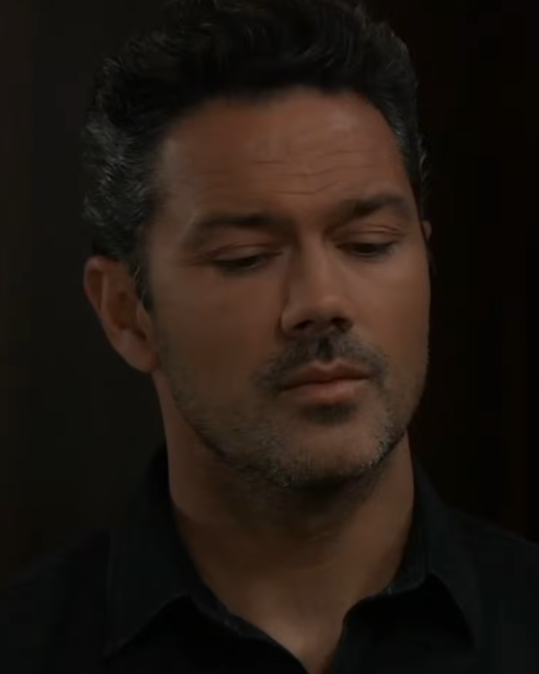
The most important detail in the entire exchange is that Cassius did not accuse Cullum directly. He simply laid out the logic of the evidence and said Marco’s killer was likely someone Marco knew. That should have been a neutral observation, especially for someone claiming to be part of the effort to uncover the truth. Instead of leaning in, asking questions, or trying to develop the lead, Cullum immediately shifted the conversation back to Britt, the medication, and total control. That reaction matters. Innocent people usually pursue evidence. Guilty people shut it down. Cullum did not sound like a man searching for justice. He sounded like a man who had just heard a line of reasoning that got too close to him.
That is why the threat lands so hard. When Cullum tells Cassius that he can ruin his life as easily as Britt’s, he is not speaking in vague emotional terms. He is reminding Cassius of the entire machinery he controls. He can cut off Britt’s lifeline. He can expose Cassius’ identity. He can wreck the false stability that has kept Cassius functioning inside Sidwell’s orbit. He can turn Cassius into a scapegoat the second he becomes inconvenient. In one sentence, Cullum makes it clear that he is not merely part of the system around this mystery. He is the system. And when one man has the drugs, the secrets, the leverage, and the timing, it becomes impossible not to ask whether he also had the motive and opportunity to eliminate Marco.
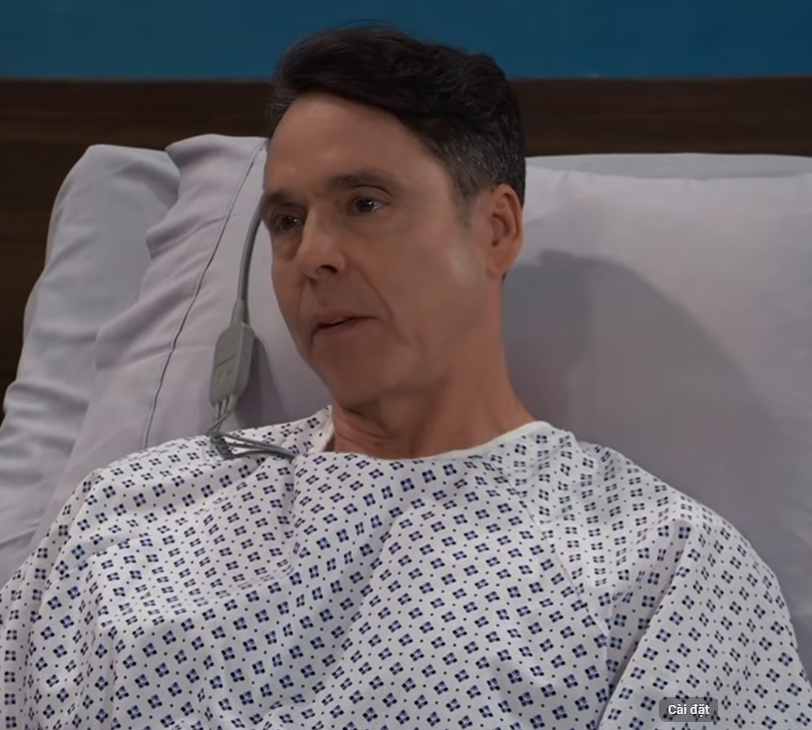
What makes the scene even more explosive is how it reframes Cassius himself. For weeks, Cassius has looked like someone walking a razor-thin line between survival and complicity, but here, for the first time, it feels like he is starting to think independently and connect the dots. He may not have named Cullum, but he clearly understands that this was not random violence. Marco was killed by someone inside the circle, someone familiar, someone trusted enough to get close. The moment Cassius says that out loud, Cullum clamps down. That suggests Cassius has wandered into a zone he was never supposed to reach. The hidden clue in the scene is not just the threat. It is the fact that Cullum needed the threat at all.
Britt’s role in this dynamic makes everything even more sinister. She is not just a sister in danger. She is the human pressure point that keeps Cassius obedient. Cullum uses her medication like a weapon, reducing her survival to a reward for compliance. That means every move Cassius makes is being shaped by fear, guilt, and the knowledge that one wrong step could cost Britt everything. But that also means Cullum’s hold is no longer subtle. It is visible now. It is undeniable. And once control becomes that obvious, it stops looking strategic and starts looking desperate. If Cullum were truly secure, he would not need to dangle Britt’s life every time Cassius moved closer to the truth.
Then the scene gets even more dangerous because of Josslyn. Her presence in the hallway is not random staging. She sees “Nathan” leaving Cullum’s room, and that image alone has the potential to detonate multiple storylines at once. Joss is exactly the kind of character who can take one suspicious moment and turn it into a larger realization. She may not know everything yet, but she now has a visual connection between Cullum and the man everyone still thinks is Nathan. In a story built on hidden alliances, false identities, and buried motives, that kind of accidental witness can become catastrophic. If Joss starts asking why “Nathan” was coming out of Cullum’s room at such a tense moment, the entire structure holding Cassius together could begin to crack.
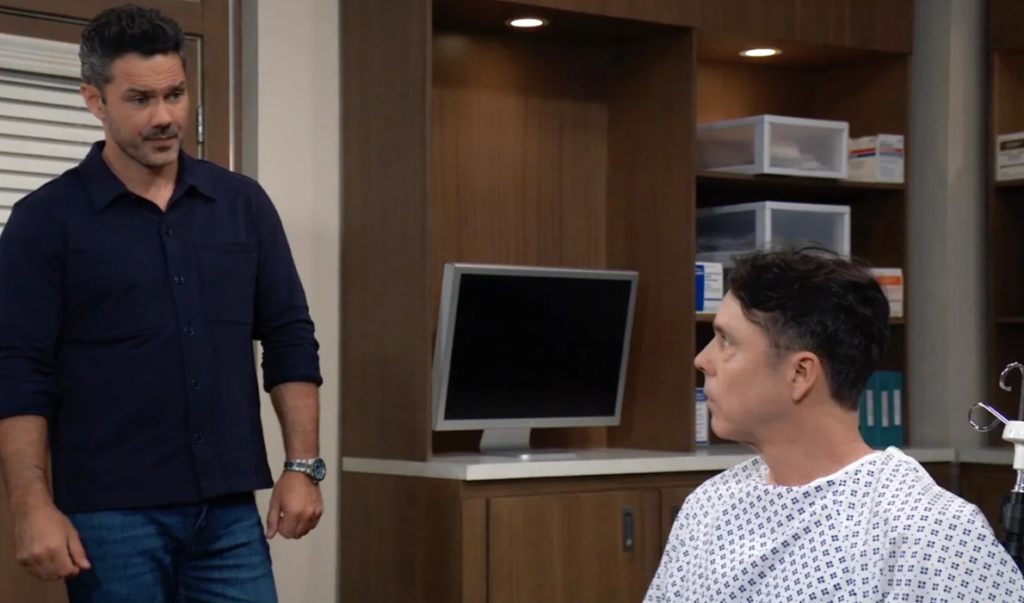
That is what makes Cullum’s line so brilliant and so self-destructive at the same time. He wanted to remind Cassius who held the power, but instead he may have revealed how personally invested he is in keeping the truth buried. The scene does not prove on paper that Cullum killed Marco, but dramatically, it pushes him much closer to the center of suspicion. He reacts too sharply, controls too much, threatens too specifically, and has too many tools at his disposal. He behaves like a man protecting more than an operation. He behaves like a man protecting his own role in a crime.
In the end, Cullum’s warning may be remembered as the moment he overplayed his hand. He tried to silence Cassius by making him afraid for Britt, but fear has a way of sharpening instinct. Cassius now has even more reason to believe the killer is closer than anyone wants to admit, and Joss may have just stepped into the frame at exactly the wrong time for Cullum. If this story is heading toward a full unraveling, then this was not just a cruel threat. This was the first crack in the wall. And once that wall starts collapsing, Cullum may find that the life he threatened to destroy is not Cassius’ after all. It is his own.