Cassius didn’t walk into Wyndemere to solve Marco’s murder. He walked in to reshape the narrative. Everything about his conversation with Jenz Sidwell points to a calculated shift, not a genuine investigation. By immediately dismissing Sonny Corinthos and Jason Morgan — the most obvious suspects — Cassius removed the expected path and replaced it with something far more dangerous: uncertainty. That move alone signals intent. A real detective follows evidence. Cassius is steering perception.
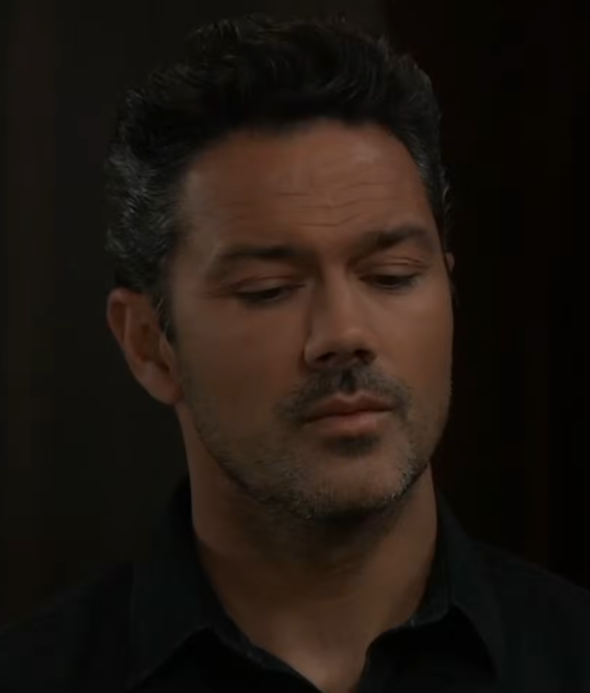
The most revealing moment comes when Cassius reframes the nature of the crime. He emphasizes that Marco must have trusted his killer enough to let them get close. That statement isn’t just analysis — it’s a setup. It narrows the suspect pool in a very specific direction without naming anyone outright. Then comes the trigger: the suggestion of a “scorned lover.” That phrase is not random. It is precise, emotionally charged, and designed to lead Sidwell to a conclusion that feels personal rather than procedural.
Lucas becomes the perfect target within seconds, and that is no coincidence. He fits every condition Cassius subtly outlined. He was close to Marco. He had emotional access. As a doctor, he has a built-in explanation for any gap in his timeline. Cassius doesn’t accuse him directly because he doesn’t need to. By presenting just enough logic, he allows Sidwell to arrive at the suspicion himself, which makes it far more powerful. This is not investigation — this is psychological manipulation at its cleanest.
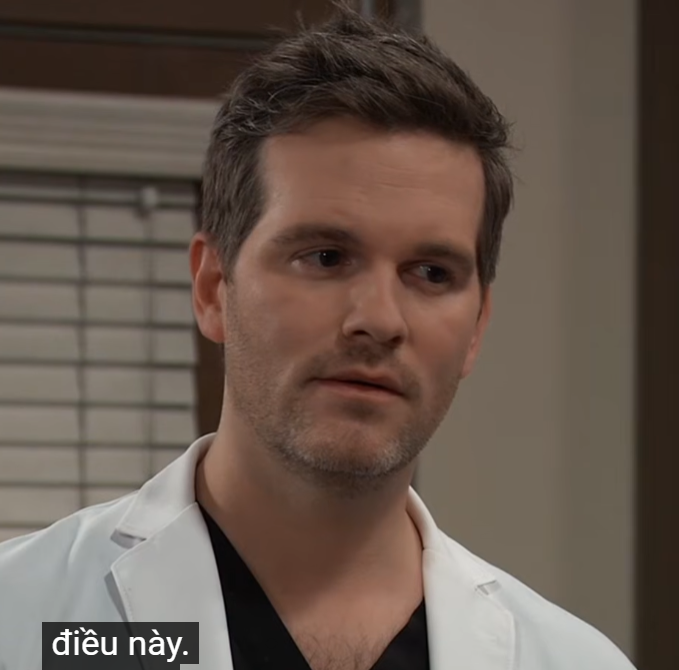
The missing phone is where the entire strategy sharpens into something far more deliberate. Cassius makes sure to highlight that the killer took Marco’s device, pushing Sidwell to recognize that whatever was on that phone could expose everything. That detail is too specific to be casual. It suggests that Cassius either knows what was on the phone or understands exactly how critical it is. In fan discussions, this point has become central: the phone is not just evidence, it is the truth Cassius is trying to control before anyone else can reach it.
This leads to the most compelling theory — Cassius already knows more than he is saying. If the real killer is connected to a larger operation, possibly involving Cullum or even Cassius himself, then redirecting suspicion becomes essential. Lucas is not just a suspect; he is a shield. By placing him at the center of the narrative, Cassius buys time to eliminate loose ends, track down the missing phone, and ensure that the truth never surfaces in its original form.
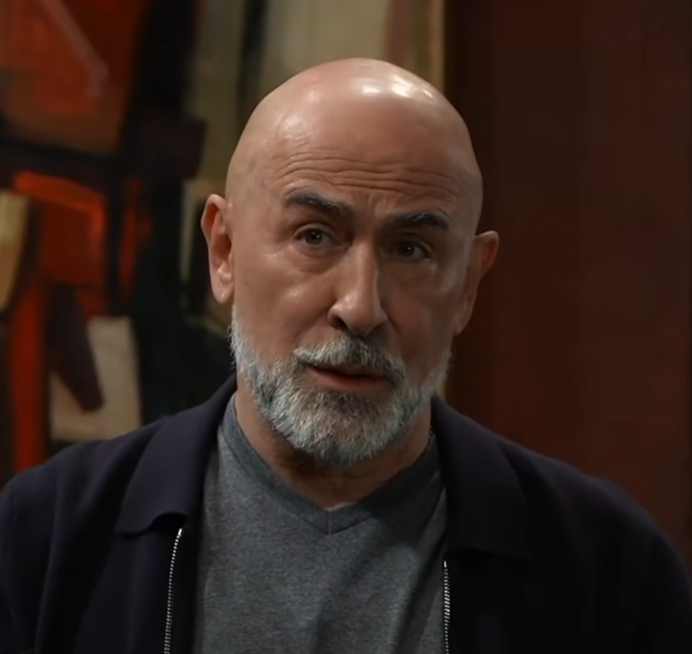
Jenz Sidwell’s reaction is exactly what Cassius anticipated, and that is where the real danger begins. Sidwell is not a man who waits for due process. Once suspicion takes hold, he acts. If he believes Lucas is even a possibility, he won’t rely on the PCPD to confirm it. He will move independently, and that opens the door to extreme outcomes — surveillance, coercion, even outright abduction. In that scenario, Lucas doesn’t need to be guilty. He only needs to look like he could be.
There is also a darker possibility that fans are increasingly considering: Sidwell may use Lucas as bait. By pushing the narrative that Lucas is the prime suspect, he could force the real killer — or anyone protecting them — to react. That reaction would reveal connections that no official investigation could uncover. If that happens, Cassius doesn’t just control the suspect. He controls the entire chain of consequences that follows.
The final red flag comes in the moment Cassius chooses silence. When asked if there was anything else to discuss, he recalls Josslyn’s questions about Faison — and says nothing. That omission is not hesitation. It is a decision. It confirms that Cassius is withholding information that could change everything. Whether it ties to his identity, his past, or the deeper structure behind Marco’s murder, it proves that the truth is being managed, not pursued.
Cassius is not playing a single game. He is operating on multiple levels at once. To the PCPD, he is the lead detective. To Sidwell, he is a guide shaping suspicion. And beneath both roles, he is something else entirely — someone protecting a version of the truth that serves his own endgame. Lucas is not the killer in this scenario. He is the story Cassius wants everyone to believe.
In the end, this was never about solving Marco’s murder. It was about deciding who would carry the blame. Cassius didn’t uncover the truth. He built a narrative strong enough to replace it.