What looked like a collapse is starting to feel like something far more calculated. The paralysis incident, the setup against her own mother—none of it reads like chaos anymore. It feels deliberate. Fans are no longer watching a woman lose control; they’re watching someone execute a plan step by step. And that shift in perception has completely changed how viewers interpret every move Willow makes.
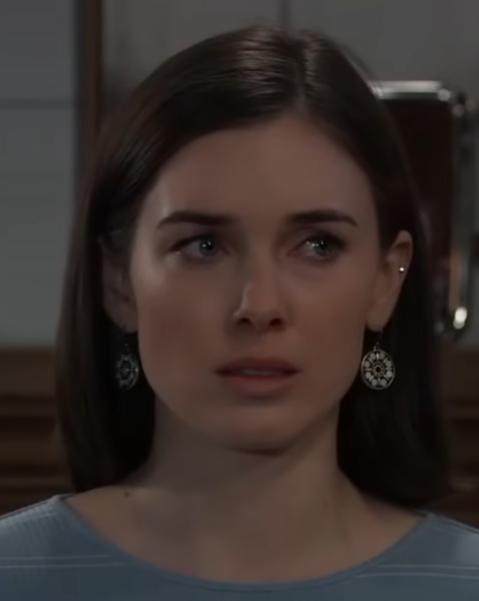
This is exactly why the conversation has exploded across the fandom. A growing number of viewers believe this behavior isn’t just situational—it’s rooted much deeper. What if this isn’t just about trauma or circumstance? What if it’s something embedded in her DNA? Suddenly, people are tracing patterns across generations, connecting behaviors that once seemed isolated. And now, those patterns are starting to look like a design.
At the center of this theory is Nina Reeves. Her history is filled with emotional extremes, questionable decisions, and a constant blur between victimhood and manipulation. Nina has always justified her actions through love, even when those choices caused damage. Now fans are asking the question no one wanted to face: did Willow inherit more than just pain from her mother?
Because when Willow is compared to Nelle Benson, the parallels are chilling. Nelle was explosive, reckless, and openly destructive. Willow, on the other hand, operates differently. She doesn’t lash out—she calculates. She doesn’t spiral—she strategizes. And that contrast has led many to believe Willow isn’t just similar to Nelle… she’s a more refined version. Not chaos, but control. Not reaction, but intention.
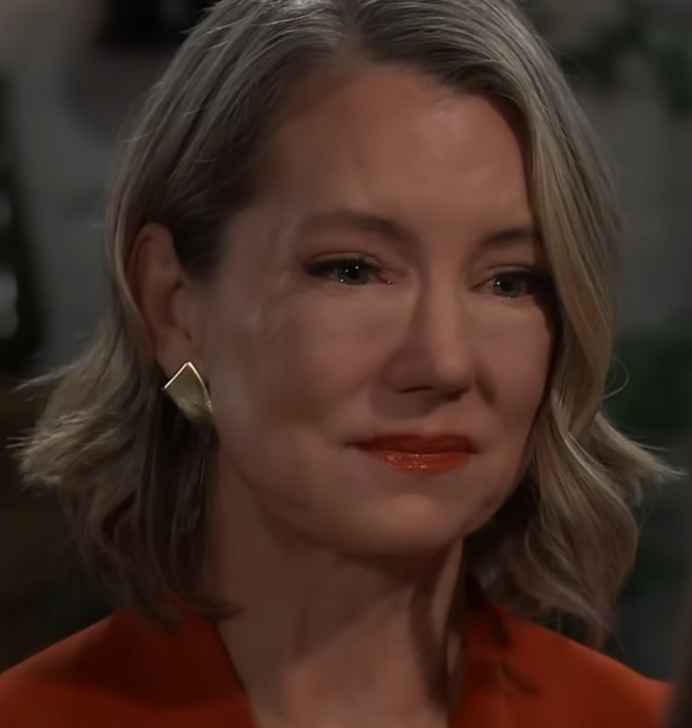
That’s where the divide among fans becomes intense. Some still argue that Willow is a product of everything she’s endured—separation, manipulation, and a lifetime of emotional damage. But others aren’t convinced. They believe trauma alone doesn’t produce this level of precision. Pain may influence behavior, but it doesn’t always create someone this composed while doing something so extreme. That’s why the genetic theory has taken hold so strongly.
If this really is inherited, then everything changes. Willow isn’t unraveling—she’s aligning with something that’s always been inside her. And that flips the entire narrative. This isn’t about losing herself. It’s about becoming who she was always meant to be. A revelation instead of a downfall. And that idea is far more unsettling than any breakdown could ever be.
Even more disturbing is how Willow reflects Nina—but without the emotional hesitation. Nina acted from desperation, often overwhelmed by love and fear. Willow doesn’t seem to have that same internal struggle. She’s colder, more decisive. Where Nina reacted, Willow removes obstacles. There’s a clarity to her actions that makes them feel intentional, not impulsive. And that difference is what makes her transformation feel permanent.
If this pattern truly comes from within, then it won’t just stop here. It will escalate. That’s the fear gripping fans right now. If Willow could justify harming Drew to maintain control over her children, then what happens when someone else stands in her way? Names like Trina and Kai are already being thrown into speculation. Because once a line is crossed—and it works—it becomes easier to cross again.
And that’s what puts Nina in the most terrifying position of all. She’s not just dealing with a daughter making dangerous choices. She may be witnessing the emergence of something far darker—and far more inevitable. This isn’t just about stopping Willow anymore. It’s about confronting the possibility that this darkness didn’t appear out of nowhere. It came from somewhere. It came from her.
That realization could destroy Nina completely. Because if she sees herself reflected in Willow—not the love, but the damage—then every decision becomes unbearable. Protect her daughter and risk unleashing something unstoppable… or take her down and lose her forever. It’s no longer just a moral dilemma. It’s a reckoning with her own legacy.
In the end, the most haunting question isn’t whether Willow can be stopped. It’s whether she was ever meant to be different. If this is truly written in her blood, then what we’re seeing isn’t a fall from grace—it’s the unveiling of her true identity. And once that truth is exposed, there’s no rewriting it. Only consequences.